
Must-Know Rules for Riding China Metro
- Date:
- Views:325
- Source:The Silk Road Echo
If you're planning to explore China's bustling cities, mastering the metro system is a total game-changer. As someone who’s ridden nearly every major subway line from Beijing to Shenzhen, I’ve picked up some golden rules that’ll save you time, stress, and maybe even a fine.
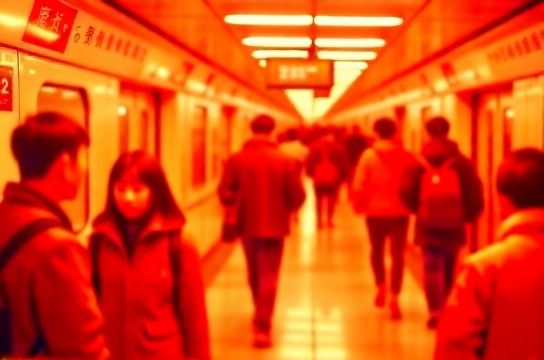
1. Swipe Right, Stand Still – The Escalator Rule
In Chinese metros, escalators follow a simple but strict code: stand on the right, walk on the left. This isn’t just etiquette—it’s enforced in places like Shanghai and Guangzhou. Break it? You might get a side-eye or worse, a warning from station staff.
2. QR Codes Over Cash – Go Digital
Forget buying single-use tickets. Apps like Alipay and WeChat Pay let you scan QR codes at gates. In 2023, over 87% of metro rides in Tier-1 cities used mobile payments (source: China Urban Transport Association). It’s faster, cleaner, and avoids fumbling with coins.
3. Peak Hours = No-Go Zones
Avoid riding between 7:30–9:00 AM and 5:30–7:00 PM. During rush hour, trains can hit 120% capacity. Seriously—some lines in Beijing record passenger densities over 4 people per square meter. Not fun.
| City | Daily Ridership (Million) | Peak Density (pax/m²) | Top Line |
|---|---|---|---|
| Beijing | 12.1 | 4.2 | Line 10 |
| Shanghai | 10.8 | 3.9 | Line 2 |
| Guangzhou | 9.3 | 3.6 | Line 3 |
| Shenzhen | 7.5 | 3.4 | Line 1 |
Pro tip: Check real-time crowd alerts via the China Metro Guide app—linked to official transit data.
4. Security Checks Are Non-Negotiable
Every station has airport-style screening. Liquids, sharp objects, and large bags are scanned. Took me by surprise the first time—I had to dump my water bottle. Rule of thumb: Pack light, move fast.
5. Priority Seating Isn’t Optional
Seats near doors are marked for seniors, pregnant women, and disabled riders. Even locals avoid them during peak times. If you’re young and able-bodied, just… don’t sit there. It’s not worth the public shaming.
6. Eating & Drinking? Big No-No
Fines range from ¥500–2000 (~$70–280) in cities like Shenzhen and Nanjing. Yes, people sneak snacks, but cameras and patrols are everywhere. One guy got fined for eating a dumpling on Line 4. True story.
Bonus: Free Wi-Fi? Not Really.
Some stations offer ‘free’ Wi-Fi, but it requires a Chinese phone number and ID verification. Save yourself the hassle—just use your mobile data or a local SIM.
Riding the metro in China doesn’t have to be intimidating. Follow these rules, stay aware, and you’ll blend in like a pro. Safe travels!