
How Tourists Can Use China City Buses
- Date:
- Views:370
- Source:The Silk Road Echo
If you're planning a trip to China, skip the taxi lines and expensive ride-hailing apps—city buses are your secret weapon for fast, cheap, and authentic urban travel. As someone who’s ridden over 200 bus routes across Beijing, Shanghai, Chengdu, and Guangzhou, I’m here to tell you: with a little know-how, China city buses are not only usable but often the smartest move for tourists.
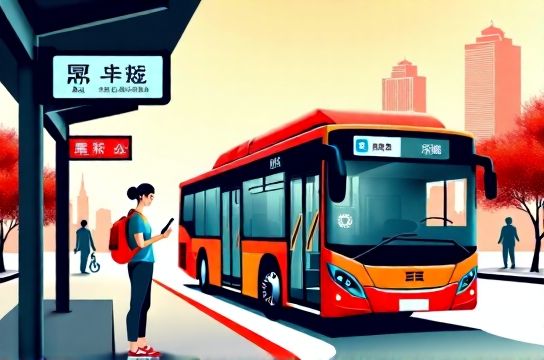
Why Take the Bus in China?
Forget the myth that buses are only for locals. In major Chinese cities, public transit is high-tech, efficient, and tourist-friendly. Most buses have digital displays (in English), GPS tracking via apps like Baidu Maps or Amap, and even free Wi-Fi on select routes. Plus, a single ride costs between ¥1–¥2 (under $0.30), making it 70–80% cheaper than Didi (China’s Uber).
And don’t worry about language barriers—many drivers respond well to simple English phrases like 'Airport, please?' or pointing at a translation app. Smiles go a long way!
Top 4 Cities: Bus System Comparison
Here’s a quick snapshot of how major cities stack up:
| City | Bus Routes | Fare (Avg) | English Support | Contactless Payment |
|---|---|---|---|---|
| Beijing | 1,200+ | ¥2 | High (signs & apps) | WeChat/Alipay/NFC |
| Shanghai | 950+ | ¥2 | High | WeChat/Alipay |
| Chengdu | 600+ | ¥1–2 | Moderate | WeChat/Alipay |
| Guangzhou | 800+ | ¥2 | Moderate | WeChat/Alipay |
As you can see, urban bus networks in China are extensive and wallet-friendly. Beijing leads in route coverage, while Shanghai offers the smoothest tourist experience thanks to bilingual signage and real-time tracking.
How to Pay? No Cash? No Problem!
You won’t need physical yuan for most rides. Just use WeChat Pay or Alipay—both support foreign cards (Visa, Mastercard). Set up your payment method before arrival, then scan the QR code when boarding. Pro tip: Save the bus code offline in case of spotty data.
Must-Know Tips for First-Time Riders
- Download Baidu Maps or Amap: Google Maps doesn’t work well in China. These apps show live bus locations, transfer tips, and walking directions to stops.
- Board early, exit quickly: Popular routes fill fast during rush hours (7–9 AM, 5–7 PM).
- Look for double-decker or tourist buses: Some cities offer open-top sightseeing routes (e.g., Shanghai’s Bus Line 911) that pass major landmarks.
- Ask for help: Younger passengers often speak English and are happy to assist. A simple 'Nǐ hǎo, zhè ge chē qù [destination] ma?' works wonders.
Using China city buses isn’t just practical—it’s an experience. You’ll see daily life unfold right outside your window, from street vendors to schoolkids in uniforms. It’s real China, not just the postcard version.
So next time you land in a Chinese city, bypass the taxi queue and hop on a bus. With the right tools and mindset, you’ll travel like a local—in comfort, style, and under budget.