
Traveling China by Train Made Simple
- Date:
- Views:1
- Source:The Silk Road Echo
Thinking about traveling in China by train? You're not alone. With over 15 billion passenger trips annually on the rail network, China boasts the most advanced and extensive high-speed rail system in the world. Whether you’re a digital nomad hopping between Shanghai and Chengdu or a curious traveler chasing panda selfies, trains are your golden ticket.
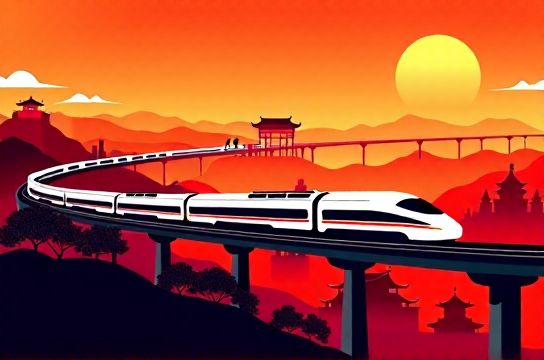
I’ve crisscrossed China by rail more times than I can count — from freezing Harbin in the north to tropical Sanya in the south. And let me tell you: mastering the system is easier than ordering dumplings in Mandarin. Here’s how to do it like a pro.
Why Train Travel Wins Over Flights (Most of the Time)
Domestic flights might seem faster, but factor in airport transfers, security lines, and delays? Trains often get you downtown-to-downtown faster. Plus, no baggage limits, legroom for days, and scenic views that planes just can’t beat.
Take the Beijing–Shanghai route: the G-series bullet train covers 1,318 km in just 4.5 hours. Compare that to total flight time (with check-in and transit) of ~5.5 hours — and trains win hands down.
Types of Trains You’ll Encounter
China classifies its trains by letter codes. Know these, and you’ll never feel lost:
| Train Type | Max Speed | Best For |
|---|---|---|
| G-series | 350 km/h | Long-distance speed (e.g., Beijing to Guangzhou) |
| D-series | 250 km/h | Mid-range routes with fewer stops |
| C-series | 350 km/h | Commuter lines (e.g., Beijing-Tianjin) |
| Z/T/K-series | 120–160 km/h | Budget overnight travel |
Pro tip: G-trains are pricier but worth it for comfort and speed. If you’re on a budget, Z-trains offer sleeper cabins — think cozy bunk beds and instant local vibes.
How to Book Tickets (Without Speaking Chinese)
Forget standing in line. Use Trip.com or the official 12306 app (with English UI). Foreign passports are now fully supported! Just upload your passport scan, pick your seat (window = photo ops), and pay via international card.
Booking opens 15 days in advance — set a reminder. Popular routes like Xi’an to Chongqing sell out fast during holidays.
What to Expect Onboard
First-time riders are shocked by the cleanliness and quiet. Yes, quiet — phone calls are frowned upon. Bring snacks, though. While attendants push carts with noodles and tea, options are limited.
Seating classes? Second class is fine for most. First class adds wider seats and extra legroom. Business class feels like flying business — but at half the price.
And here’s a secret: long-distance trains have power outlets at every seat. Charge all the things.
Insider Tips for Stress-Free Journeys
- Arrive early: Stations are huge. Give yourself 30+ minutes to clear ID checks.
- Use facial recognition: Most stations scan your face at entry — keep your passport handy.
- Download offline maps: Station signs are bilingual, but Google Maps helps navigate exits.
Final word? Train travel in China isn’t just practical — it’s part of the adventure. From lightning-fast G-trains to slow-night sleepers under the stars, every ride tells a story.
Now go book that ticket. The rails are waiting.