
What to Know Before Riding China Railways
- Date:
- Views:2
- Source:The Silk Road Echo
If you're planning to explore the vast landscapes of China, one thing's for sure: hopping on a China Railways train isn't just practical—it's an adventure. As someone who’s crisscrossed this country by rail more times than I can count, let me break down what *really* matters before you book that ticket.
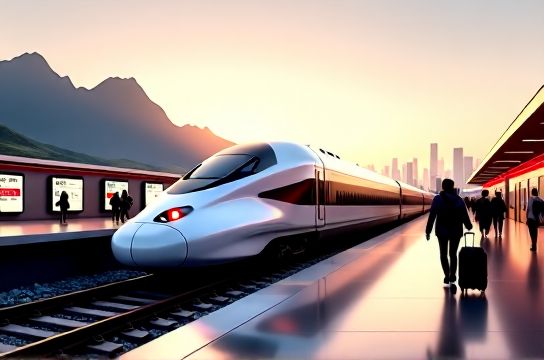
First off, China’s rail network is massive. We’re talking over 150,000 kilometers of track—more high-speed rail than the rest of the world combined. Whether you're zipping from Beijing to Shanghai at 300 km/h or chugging through rural Sichuan, there’s a train for every pace and budget.
Types of Trains & What They Mean for You
Not all trains are created equal. Here’s a quick breakdown:
| Train Type | Speed (km/h) | Comfort Level | Best For |
|---|---|---|---|
| G-Series | 300–350 | ★★★★★ | City-to-city speed (e.g., Beijing–Shanghai) |
| D-Series | 200–250 | ★★★★☆ | Budget-friendly high-speed travel |
| Z/T/K-Series | 100–140 | ★★★☆☆ | Long-distance overnight trips |
| L/S-Series | 80–120 | ★★☆☆☆ | Regional/local routes |
Pro tip: Book G-trains early—they sell out fast. And if you hate crowds, avoid travel during Golden Week (early October) or Chinese New Year. Seriously, it’s like Black Friday meets a mosh pit.
Seat Classes: Don’t Overpay, Don’t Under-Prepare
Second-class seats? Totally fine for most travelers. First-class gives you more legroom (about 20% extra), but unless you’re over 6'2", it’s rarely worth the 50% price jump. Business class? Only if your company’s paying.
For overnight journeys, soft sleeper (4 berths per cabin) beats hard sleeper (6 bunks, zero privacy). Bring earplugs and an eye mask—some cabins get loud.
Buying Tickets: Apps Beat Stations
Skip the station lines. Use the official China Railways app or WeChat mini-programs like Rail China. Foreign passports? You’ll need to verify in person once, then you’re golden. Prices are fixed—no surge pricing, ever. A G-train from Guangzhou to Wuhan? Around ¥370 ($50). Compare that to a flight with baggage fees and airport transfers… yeah, train wins.
Oh, and ID checks are strict. Your passport name must match the ticket exactly. No exceptions.
Onboard Experience: It’s Not Just Sitting
Most high-speed trains have trolley service (snacks, instant noodles, beer), but bring your own water. Wi-Fi? Spotty at best. Some newer trains offer it, but don’t count on streaming Netflix.
Restrooms are clean—often better than what you’ll find in stations. Power outlets? Yes, at every seat on G and D trains.
Why Choose China Railways Over Flying?
Let’s do the math: Beijing to Shanghai is 4.5 hours by train, vs. 2 hours flying—but add 1 hour to reach the airport, 2-hour check-in, and 1-hour baggage claim. Suddenly, the train’s not just competitive, it’s easier. Plus, city-center to city-center routing beats airport sprints.
In short: China Railways is fast, safe, affordable, and surprisingly comfortable. Whether you're a first-time visitor or a regional pro, it’s the smartest way to move.