
Festival Lights: Experiencing Chinese Traditional Celebrations in Rural Villages
- Date:
- Views:275
- Source:The Silk Road Echo
If you’ve ever dreamed of stepping into a real-life fairy tale, rural China during festival season is about as close as it gets. Forget the neon buzz of big cities—out in the countryside, tradition still dances under lantern light, and every celebration feels like a warm hug from the past.
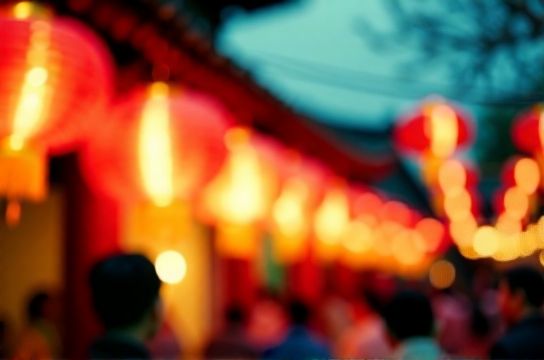
In villages tucked between misty mountains and rice paddies, festivals aren’t just events—they’re family reunions, spiritual moments, and cultural explosions all rolled into one. Think red lanterns swaying in the breeze, firecrackers popping like popcorn, and the smell of dumplings frying in grandma’s kitchen. This is where Chinese traditions don’t just survive—they thrive.
Take the Spring Festival, also known as Chinese New Year. In rural areas, it’s not just about countdowns and fireworks (though there are *plenty* of those). It’s about ancestral worship, lion dances that shake the ground, and doors plastered with handwritten couplets wishing for luck and prosperity. Families travel hours—even days—just to eat dumplings together on New Year’s Eve. That kind of devotion? That’s the heart of tradition.
Then comes the Lantern Festival, 15 days after New Year, when entire villages glow like constellations fallen to earth. Handmade lanterns in shapes of dragons, fish, and flowers light up temples and village squares. Kids run around with glowing rabbits, elders tell folktales, and everyone shares sweet, sticky tangyuan—symbolizing unity and harmony. In places like Sichuan or Yunnan, some villages even host lantern parades that wind through narrow alleys like rivers of light.
And let’s not forget Mid-Autumn Festival. No skyscrapers needed here—just moonlit courtyards, steaming tea, and families passing mooncakes under the full moon. In rural communities, the legend of Chang’e feels real, whispered among generations as kids gaze up at the same moon their ancestors did.
What makes these celebrations so special? Authenticity. There’s no stage setup, no tourist script—just people living their culture with pride and joy. You might be invited to help make dumplings, try your hand at calligraphy, or even join a drum-led dragon dance. These aren’t performances; they’re invitations into someone’s world.
Travelers lucky enough to witness these moments often say it changes how they see China. It’s not all bullet trains and tech hubs—there’s a quieter, deeper rhythm beating in the villages. And when night falls and the festival lights flicker on, you’ll feel it too: a sense of belonging, wonder, and timeless connection.
So if you ever get the chance, skip the crowds and go rural. Follow the glow of paper lanterns, listen to the laughter echoing through ancient lanes, and let tradition light your way.