
Meme Diplomacy: Nationalism
- Date:
- Views:267
- Source:The Silk Road Echo
You’ve seen the memes. You’ve shared them. Maybe you even made one. But have you ever stopped to think that a silly image with bold text could actually be shaping global politics? Welcome to the wild, wired world of *meme diplomacy* — where nationalism doesn’t march with flags and speeches, but spreads through viral jokes, ironic edits, and digital trolling.
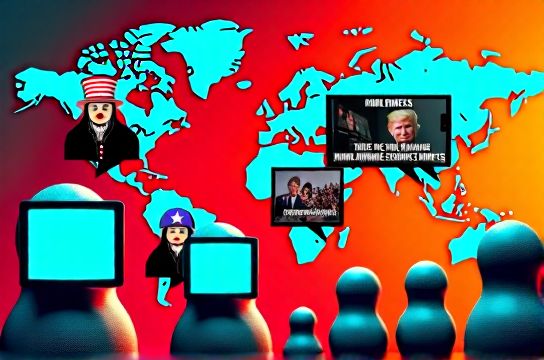
Yeah, it sounds crazy. But here’s the thing: in 2024 and beyond, memes aren’t just for laughs. They’re becoming tools of soft power, psychological warfare, and yes — even foreign policy. And at the heart of it? National pride, pumped full of sarcasm and shared across borders faster than any government press release.
Let’s break it down. Meme diplomacy happens when governments, political movements, or even everyday netizens use internet humor to push national narratives. Think of it as propaganda’s cooler, edgier cousin — less stiff suits, more Shiba Inu dogs and SpongeBob edits. It’s not about dry facts; it’s about vibes, emotion, and identity.
Take recent online clashes between fans of U.S., Chinese, and Indian internet communities. One minute, someone drops a meme roasting another country’s infrastructure. The next, thousands are remixing it, adding subtitles, slapping on patriotic filters. Before you know it, that joke becomes a symbol of national resilience — or superiority.
And guess what? Governments are noticing. While most won’t officially admit they run meme squads (wink, wink), there’s growing evidence of state-backed troll farms and coordinated social media accounts pushing pro-nationalist content. From Russia’s Internet Research Agency to China’s ‘50 Cent Party,’ digital influence campaigns have evolved — and memes are now their weapon of choice.
But here’s the twist: meme diplomacy isn’t just top-down. Regular people are driving it too. A college student in Seoul might make a meme mocking Japan’s historical stance, sparking outrage and counter-memes from Japanese netizens. These digital skirmishes don’t just reflect nationalism — they amplify it, turning casual online banter into full-blown culture wars.
Why does this work? Because memes are sticky. They simplify complex issues into shareable bytes. A single image can frame a geopolitical conflict as a battle between heroes and villains — your country vs. ‘them.’ And because they’re funny (or rage-inducing), people engage, repost, argue. Algorithms love that. More engagement = more visibility = more influence.
Of course, it’s not all fun and misinformation. There’s real danger when satire blurs with hate, when patriotism slides into xenophobia. Meme diplomacy can deepen divisions, spread conspiracy theories, and manipulate public opinion — all under the guise of ‘just joking.’
Still, you can’t ignore its power. In an age where attention is currency, memes are minting it. Whether it’s Ukraine using dark humor to boost morale during war or teens in India celebrating space missions with viral templates, nationalism has gone full digital.
So next time you laugh at a political meme, ask yourself: who made this, why, and who benefits? Because behind that dumb frog or dancing panda could be a whole nation trying to win the internet — and maybe, just maybe, the world.