
Misty Mountains and Ming Tombs: A Pilgrimage Through China’s Sacred Sites
- Date:
- Views:249
- Source:The Silk Road Echo
Ever dreamed of walking where emperors once prayed and monks chanted under misty peaks? Welcome to China’s sacred trail — a journey through spiritual power, ancient stone, and breathtaking landscapes. From the fog-wrapped summits of Mount Tai to the solemn symmetry of the Ming Tombs, this isn’t just sightseeing. It’s soul-searching with every step.
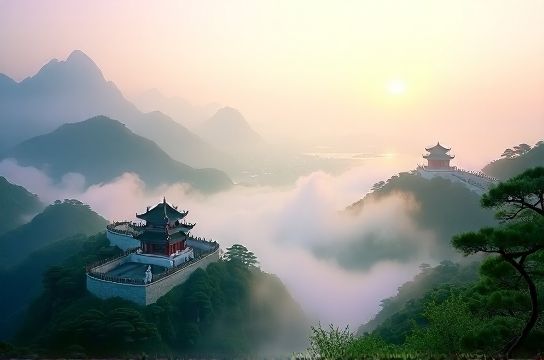
Why These Sites? Because Energy Flows Here
In Chinese tradition, certain places hum with qi — life force. The Misty Mountains (think: Wudang and Emei) and the Ming Tombs aren’t just scenic; they’re spiritually engineered. Taoist temples cling to cliffs not for Instagram views, but because these spots sit on dragon veins — earth energy lines believed to connect heaven and humanity.
Mount Tai, one of the Five Great Mountains, has hosted imperial sacrifices since 219 BCE. Emperors climbed its 7,000 steps to perform the Fengshan ritual, declaring their mandate from heaven. Today, you’ll still see pilgrims bowing at each temple gate — some barefoot, all devoted.
The Numbers Don’t Lie: A Glimpse Into the Journey
Let’s break it down. Below is a snapshot of key sites, visitor stats, and what makes each pulse with meaning:
| Site | Elevation (m) | Annual Visitors (est.) | Spiritual Significance |
|---|---|---|---|
| Mount Tai (Shandong) | 1,545 | 8 million | Taoist & Imperial worship |
| Ming Tombs (Beijing) | 300 | 5.2 million | Feng Shui burial mastery |
| Wudang Mountains (Hubei) | 1,612 | 4.7 million | Birthplace of Tai Chi |
| Mount Emei (Sichuan) | 3,099 | 3.8 million | Buddhist pilgrimage site |
Notice a pattern? Even in modern times, millions answer the call. And it’s not just locals — over 30% of visitors at Wudang are international seekers, many signing up for week-long Daoist wellness retreats.
Walk Like an Emperor: Your Sacred Itinerary
Start in Beijing. Hit the Ming Tombs — especially Changling, the largest, built for Emperor Yongle. The 7-kilometer Sacred Way, lined with stone camels and generals, isn’t just grand; it’s a metaphysical runway guiding souls to the afterlife. Pro tip: Arrive at dawn. Mist rolls through the pines, and the place feels like a dream.
Then fly to Hubei. Wudang isn’t just mountains — it’s a living monastery complex. Spend days hiking between temples like Nanyan, carved into cliffs, or practicing Tai Chi at Zixiao Palace as morning bells echo across valleys.
Wrap up on Mount Emei, where golden statues pierce clouds and wild monkeys steal your snacks. The climb takes two days, but reaching the summit at Golden Summit? That sunrise over Buddha’s Peak? Worth every blister.
Final Thoughts: More Than Stone and Scenery
This pilgrimage isn’t about ticking boxes. It’s about feeling time collapse — standing where a Ming emperor knelt, breathing air monks have purified for centuries. In a fast world, these places move slow. They demand presence. And if you listen closely, between the wind and the chants, you might just hear something ancient whisper back.