
Echoes of the Forbidden City: Unraveling Imperial China’s Cultural Secrets
- Date:
- Views:248
- Source:The Silk Road Echo
Ever walked through a palace so massive it feels like stepping into another world? Welcome to the Forbidden City—Beijing’s crown jewel and the heartbeat of imperial China. Spanning 180 acres with over 9,000 rooms, this Ming Dynasty marvel isn’t just big—it’s mind-blowing. But beyond the red walls and golden roofs lies a treasure trove of cultural secrets waiting to be uncovered.
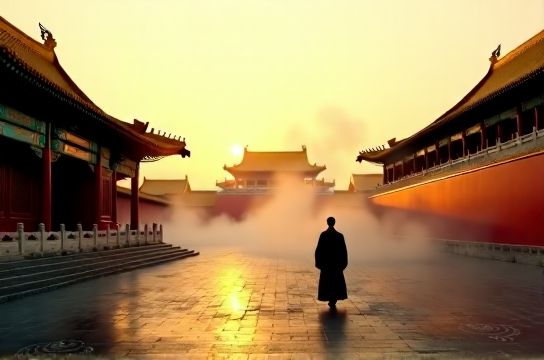
Built in 1420 under Emperor Yongle, the Forbidden City served as the imperial palace for nearly 500 years—home to 24 emperors across the Ming and Qing dynasties. It wasn’t just a residence; it was a symbol of divine authority, cosmic balance, and political power. Every stone, beam, and statue whispers stories of court intrigue, celestial rituals, and artistic mastery.
Let’s talk numbers—because they’re jaw-dropping:
| Feature | Data |
|---|---|
| Total Area | 720,000 m² (~180 acres) |
| Number of Rooms | Over 9,000 |
| Construction Period | 1406–1420 (14 years) |
| Emperors Resided | 24 (Ming & Qing) |
| UNESCO World Heritage Site | Since 1987 |
Why “forbidden”? Well, back in the day, commoners couldn’t just stroll in—hence the name. Only royalty, servants, and select officials got access. Today? Over 17 million visitors explored its halls in 2019 alone. Yep, it’s China’s most visited museum—and for good reason.
The layout is pure Feng Shui genius. Aligned perfectly north-south along a central axis, the complex mirrors ancient Chinese cosmology. The Hall of Supreme Harmony, where emperors held grand ceremonies, sits at the spiritual core. Its double-eaved roof? Covered in yellow glazed tiles—yellow being the imperial color, reserved only for the Son of Heaven.
Artifacts? Oh, you’ll find about 1.8 million of them. From jade seals to silk dragon robes, each piece tells a story. And get this—the Palace Museum now digitizes over 100,000 items online, making imperial culture accessible worldwide.
But here’s the real tea: the Forbidden City isn’t frozen in time. Recent restorations blend traditional craftsmanship with modern tech. Experts hand-carve wooden beams using Ming-era tools while drones scan rooftops for damage. It’s heritage meets high-tech.
So, whether you're a history nerd, architecture geek, or just chasing that Instagram-perfect shot of the Meridian Gate at sunrise—you’ll leave changed. The Forbidden City doesn’t just showcase power; it echoes wisdom, artistry, and the soul of a civilization that shaped Asia.
Pro tip: Visit early morning to beat crowds and catch the golden light dancing on the eaves. And don’t skip the Treasure Gallery—those imperial jewels? Absolutely worth the detour.