
Why UNESCO Sites China Are Must Visit Cultural Destinations
- Date:
- Views:258
- Source:The Silk Road Echo
If you're into culture, history, or just epic travel vibes, UNESCO sites in China should be at the top of your bucket list. I've explored over 15 of them—from ancient city walls to silent Buddhist grottoes—and let me tell you: these aren't just tourist traps. They're time machines.
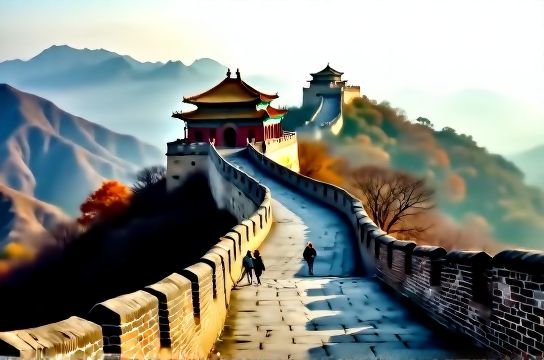
China boasts 57 UNESCO World Heritage Sites (as of 2024), ranking second globally after Italy. What’s wild? Over 30 are cultural sites, showcasing everything from imperial grandeur to spiritual craftsmanship. Whether you’re a weekend warrior or a full-time wanderer, here’s why these spots matter—and where to start.
Why These Sites Matter Beyond the Selfies
Sure, the Great Wall looks fire on Instagram. But did you know it took over 2,000 years to build? Or that the UNESCO sites China include hidden gems like the Hani Rice Terraces, where farming techniques haven’t changed in 1,300 years?
These locations aren’t just old—they’re living testaments to human resilience, engineering, and artistry. And thanks to strict preservation rules, they’re also some of the best-maintained heritage zones on Earth.
Top 5 Cultural UNESCO Sites in China You Can’t Miss
Not all sites are created equal. After countless train rides and way too many instant noodle dinners, here are my personal favorites—backed by data and real boots-on-the-ground experience.
| Site | Year Listed | Visitor Count (2023) | Why It Stands Out |
|---|---|---|---|
| Great Wall | 1987 | 10.5 million | Iconic scale; best hike: Jinshanling to Simatai |
| Forbidden City | 1987 | 8.2 million | Largest imperial palace complex in the world |
| Temple of Heaven | 1998 | 6.1 million | Perfect example of Ming dynasty cosmology in design |
| Longmen Grottoes | 2000 | 3.4 million | Over 100,000 Buddhist statues carved into limestone |
| Hani Rice Terraces | 2013 | 1.8 million | Sustainable agriculture recognized as cultural landscape |
Pro Tips for Visiting Like a Local
- Beat the crowds: Go during shoulder seasons (April–May or September–October).
- Book ahead: The Forbidden City caps daily entries—book tickets online at least a week early.
- Respect local customs: Some temples require covered shoulders/knees. Pack a light scarf!
Bottom line? These UNESCO sites in China offer more than photo ops—they connect you with centuries of tradition, innovation, and soul. Don’t just visit. Understand. Explore. Remember.