
Unique Souvenirs from Chinese Cultural Experiences Worth Buying
- Date:
- Views:269
- Source:The Silk Road Echo
If you’ve ever traveled to China or explored its rich cultural offerings online, you know it’s more than just the Great Wall and dumplings. One of the most rewarding parts of diving into Chinese culture? Bringing home authentic, meaningful souvenirs that tell a story. But not all trinkets are worth your suitcase space. As someone who’s spent years exploring artisan markets from Beijing to Dali, I’ll walk you through the unique souvenirs from Chinese cultural experiences that are actually worth buying — and which ones to skip.
Why Authenticity Matters
Tourist shops overflow with mass-produced 'traditional' items, but real value lies in craftsmanship and heritage. Handmade goods support local artisans and preserve centuries-old techniques. Plus, they make for far more interesting stories when you gift them back home.
Top 5 Culturally Rich Souvenirs Worth Buying
Here’s a quick breakdown of standout items backed by cultural significance and lasting quality:
| Item | Region | Price Range (USD) | Cultural Significance |
|---|---|---|---|
| Suzhou Silk Embroidery | Jiangsu Province | $30–$200 | UNESCO-recognized needlework dating back 2,000+ years |
| Pottery from Yixing | Jiangsu | $25–$300 | Premium clay teapots used in Chinese tea ceremonies |
| Shadow Puppets (Piyingxi) | Shaanxi Province | $15–$80 | Part of a 2,000-year-old storytelling tradition |
| Fengzheng Kites | Weifang, Shandong | $10–$60 | Weifang hosts the International Kite Festival annually |
| Nanjing Yunjin Brocade | Nanjing | $50–$500+ | Imperial textile once reserved for emperors |
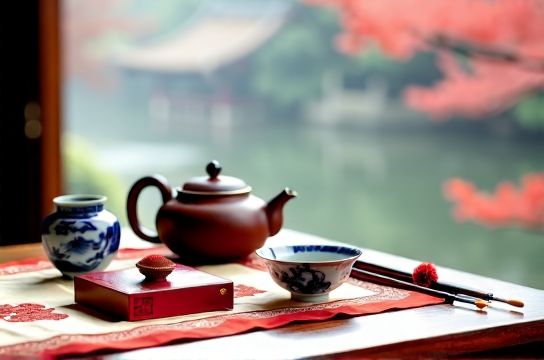
As you can see, these aren’t just pretty objects — they’re pieces of living history. For example, Yixing teapots are made from zisha clay, known for enhancing tea flavor over time. Collectors often own multiple pots dedicated to specific tea types.
Where to Buy & Pro Tips
Avoid airport stalls. Instead, head to local cultural centers or government-certified craft shops. In Beijing, visit the Red Gate Gallery or 798 Art Zone. In Suzhou, the Humble Administrator’s Garden market has authentic embroidery stalls.
Pro tip: Ask for a certificate of authenticity with high-value items like Yunjin brocade. These textiles take weeks to weave and cost reflects labor, not markup.
And if you're into immersive experiences, book a short workshop. Many artisans in Dali or Kunming offer 2-hour classes in tie-dye (扎染) or paper cutting. You leave with a handmade piece — and a memory. That’s the kind of Chinese cultural experience souvenir that truly lasts.
The Bottom Line
Forget cheap fridge magnets. Invest in souvenirs that reflect China’s deep artistic roots. Whether it’s a hand-carved puppet or silk woven with gold thread, these pieces carry legacy. Plus, they spark better conversations than any generic keychain ever will.