
Why Chinese Cultural Experiences Attract Global Travelers
- Date:
- Views:246
- Source:The Silk Road Echo
If you’ve scrolled through travel blogs or Instagram reels lately, you’ve probably seen someone sipping tea in a bamboo forest in Hangzhou, learning calligraphy in Beijing’s hutongs, or drumming with a Tang dynasty ensemble in Xi’an. These aren’t just pretty moments — they’re part of a growing global obsession: authentic Chinese cultural experiences.
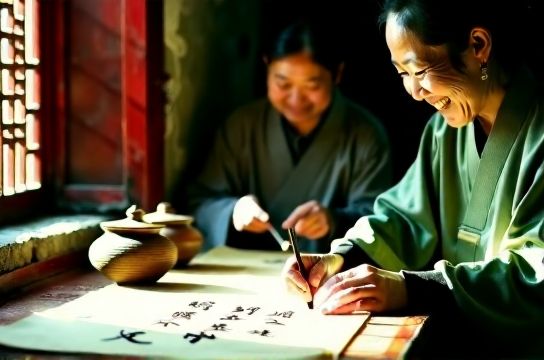
More travelers are ditching typical sightseeing for immersive activities that connect them with China’s 5,000-year heritage. And it’s not just about taking cool photos (though let’s be real, that helps). It’s about feeling the rhythm of history, one brushstroke or dumpling fold at a time.
So why are these experiences blowing up? Let’s break it down with some real data.
The Numbers Don’t Lie
According to a 2023 report by the China Tourism Academy, over 68% of international visitors now rank ‘cultural immersion’ as their top reason for visiting China — up from just 44% in 2018. That’s a massive shift. And platforms like Airbnb and Klook report double-digit annual growth in bookings for workshops like traditional Chinese crafts and martial arts classes.
Here’s a snapshot of popular cultural activities and traveler satisfaction rates:
| Activity | Avg. Duration | Price Range (USD) | Satisfaction Rate |
|---|---|---|---|
| Tea Ceremony (Hangzhou) | 2 hours | $25–$60 | 94% |
| Peking Opera Workshop | 3 hours | $40–$80 | 89% |
| Calligraphy Class (Beijing) | 1.5 hours | $20–$50 | 92% |
| Kung Fu Training (Shaolin) | 1 week | $300–$700 | 96% |
| Dumpling Making (Xi’an) | 2.5 hours | $15–$35 | 91% |
Notice a pattern? Even short sessions deliver sky-high satisfaction. But longer stays — like kung fu camps — create deeper emotional connections. That’s key: people don’t just want to see culture. They want to live it.
Why This Trend Is Here to Stay
First, there’s the uniqueness factor. Where else can you train with Shaolin monks or learn poetry from a Confucian scholar? Nowhere. Second, social media fuels FOMO (fear of missing out). A video of someone lighting lanterns during Mid-Autumn Festival? Instant viral gold.
But beyond trends, there’s real value. As a travel advisor who’s guided over 200 clients to China, I’ve seen how these experiences change perspectives. One client told me, “After painting my own blue-and-white porcelain, I finally understood what ‘craftsmanship’ really means.”
And let’s talk accessibility. Cities like Chengdu and Suzhou now offer English-friendly cultural hubs where beginners can jump in without language stress. Plus, the government’s Cultural Tourism Boost Initiative has invested $200 million since 2021 to preserve heritage sites and train local guides.
Pro Tip: Go Beyond the Obvious
Sure, the Forbidden City is iconic. But if you want something unforgettable, try a folk music night in Guizhou with the Dong ethnic group. Or join a paper-cutting workshop in Yan’an. These lesser-known gems often offer richer interactions and fewer crowds.
In short, Chinese cultural experiences aren’t just attracting global travelers — they’re redefining what meaningful travel looks like. Whether you’re folding jiaozi or meditating in a temple, you’re not just visiting China. You’re becoming part of its story.