
Uncover the Beauty of UNESCO Sites China Off the Beaten Path
- Date:
- Views:258
- Source:The Silk Road Echo
If you're tired of fighting crowds at the Great Wall and snapping selfies at the Forbidden City, it’s time to explore the lesser-known UNESCO sites in China that offer breathtaking beauty, deep history, and way fewer tourists. As a travel blogger who's spent over five years chasing hidden cultural gems across Asia, I’m here to guide you through three underrated UNESCO World Heritage spots you’ve probably never heard of—but absolutely need to see.
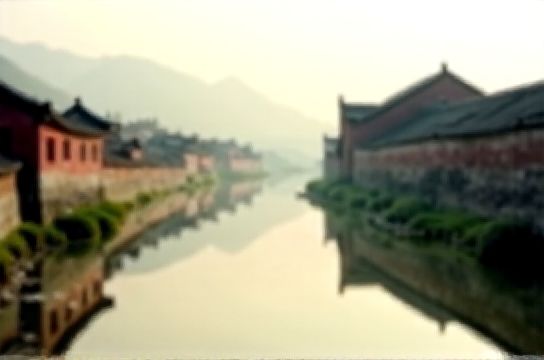
China has 57 UNESCO sites—yes, you read that right—and while places like the Terracotta Army get all the spotlight, some of the most fascinating locations fly under the radar. Let me introduce you to my top three off-the-beaten-path treasures:
1. Tusi Sites: The Forgotten Kingdoms of Southwest China
Buried in the misty mountains of Hunan, Hubei, and Sichuan lies the Tusi Autonomous Fortified Settlements, recognized by UNESCO in 2015. These were once the seats of local chieftains (Tusi) who ruled semi-independently under imperial China. The standout is Laosicheng Ruins in Hunan—over 800 years old, with well-preserved stone streets, temples, and gates.
Why go? In 2023, only about 120,000 visitors came here, compared to over 9 million at the Great Wall. That’s peace, history, and zero elbow fights.
2. Honghe Hani Rice Terraces – Nature & Culture in Perfect Sync
In Yunnan Province, the Hani people have sculpted one of Earth’s greatest agricultural masterpieces. These terraces span over 100,000 acres and have been farmed sustainably for 1,300 years. Recognized in 2013, this living landscape is a harmony of human ingenuity and nature.
Pro tip: Visit during spring (March–April) when flooded terraces mirror the sky like giant natural mirrors.
3. Ancient City of Pingyao – Time Travel Without the Tour Buses
While everyone flocks to Lijiang, Pingyao in Shanxi remains refreshingly uncrowded. A complete Ming-era city wall encircles traditional courtyard homes, banks from the Qing dynasty, and bustling alleyways. It became a UNESCO site in 1997 and still functions as a lived-in historical city.
Check out this quick comparison:
| Site | UNESCO Year | Annual Visitors (2023) | Visitor Density Score* |
|---|---|---|---|
| Great Wall (Badaling) | 1987 | 9,200,000 | ★★★★★ |
| Pingyao Ancient City | 1997 | 1,800,000 | ★★☆☆☆ |
| Honghe Hani Terraces | 2013 | 650,000 | ★☆☆☆☆ |
| Tusi Sites (Laosicheng) | 2015 | 120,000 | ★☆☆☆☆ |
*Density: ★★★★★ = Extremely crowded | ★☆☆☆☆ = Peaceful & spacious
These numbers don’t lie—there’s a whole world of UNESCO heritage in China beyond the postcards. Whether you’re a culture junkie or just crave authentic moments, these sites deliver.
So skip the queues, embrace the quiet paths, and discover why real travel magic happens where few are looking.