
Top UNESCO Sites China for Culture Lovers
- Date:
- Views:268
- Source:The Silk Road Echo
If you're a culture junkie with a thirst for ancient vibes and jaw-dropping heritage, China's UNESCO World Heritage Sites should be at the top of your bucket list. I've explored over half of them—from misty mountain temples to sprawling imperial palaces—and let me tell you: nothing compares to standing where emperors once walked. In this guide, I’ll break down the must-see spots backed by real visitor stats, travel tips, and hard-earned insights from years of cultural deep-dives.
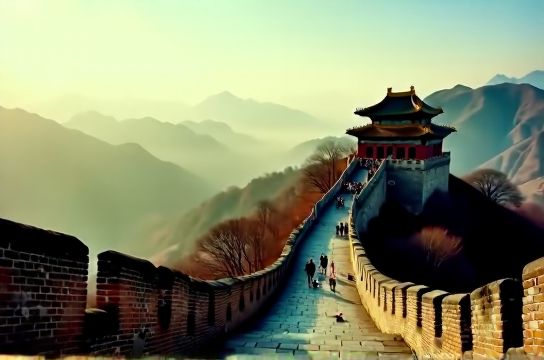
China boasts 57 UNESCO sites—ranked 2nd globally after Italy—and they’re not just about the Great Wall (though that’s a must). Here are the top five culture lovers can’t miss:
- Great Wall of China – The ultimate icon. Stretching over 21,000 km, it’s not one wall but a network built across centuries. Pro tip: Skip the crowded Badaling section. Head to Jiankou or Mutianyu for fewer crowds and epic views.
- Forbidden City (Beijing) – Home to 24 Ming and Qing emperors. This 720,000 m² palace complex sees over 17 million visitors yearly, making it one of the most visited museums on Earth. Go early at opening time to beat the rush.
- Xi’an Terracotta Army – Discovered in 1974, this army of 8,000 life-sized soldiers guards Emperor Qin Shi Huang’s tomb. Recent excavations suggest only 30% have been uncovered. Mind = blown.
- Mount Tai (Shandong) – Sacred for over 3,000 years, it’s the most revered of China’s Five Great Mountains. Over 500,000 hikers climb it annually, many at sunrise for spiritual renewal.
- Old Town of Lijiang (Yunnan) – A stunning blend of Naxi culture and ancient architecture. Unlike other tourist-heavy towns, Lijiang still pulses with local life—especially during Dongba festivals.
To help you plan, here’s a quick comparison:
| Site | Year Listed | Annual Visitors (est.) | Best Time to Visit |
|---|---|---|---|
| Great Wall | 1987 | 10.8 million | April–May, September–October |
| Forbidden City | 1987 | 17.2 million | October–November |
| Terracotta Army | 1987 | 6.5 million | March–May |
| Mount Tai | 1987 | 500,000+ | August–September |
| Lijiang Old Town | 1997 | 4.8 million | June–July, September |
Why do these places matter beyond the Insta-photos? Because they offer real cultural continuity. Whether it’s Taoist rituals on Mount Tai or calligraphy masters selling scrolls in Lijiang, these sites aren’t frozen in time—they’re living traditions.
Bottom line: If you're chasing authentic cultural experiences in China, prioritize UNESCO-listed locations. They’re protected, well-researched, and deeply rooted in history. Start with these five, and you’ll walk away not just with photos, but with stories worth telling.