
Learn Tea Ceremony as Part of Chinese Cultural Experiences
- Date:
- Views:220
- Source:The Silk Road Echo
If you’ve ever sipped a warm, fragrant cup of oolong while watching a graceful tea master pour with precision and calm, you know — the Chinese tea ceremony isn’t just about drinking tea. It’s a meditation, a cultural journey, and one of the most underrated Chinese cultural experiences you can dive into.
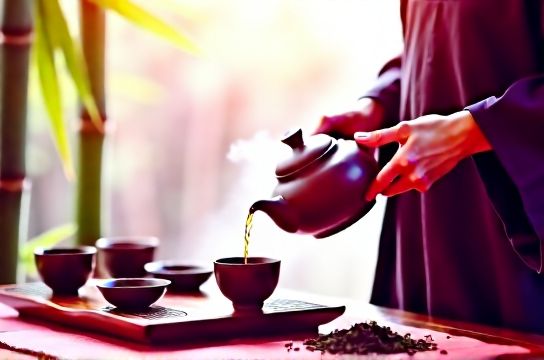
I’ve spent years exploring tea houses from Hangzhou to Chengdu, chatting with masters, and yes — spilling my fair share of hot water. What I’ve learned? Anyone can learn tea ceremony, regardless of background. And trust me, it’s more accessible than you think.
Why the Tea Ceremony Still Matters Today
In our fast-scrolling world, the tea ceremony is a reset button. Rooted in Daoist and Buddhist traditions, it emphasizes mindfulness, harmony, and respect. According to China’s Ministry of Culture, over 60% of urban millennials have participated in at least one traditional tea event in the past two years — a 40% jump since 2019.
But it’s not just nostalgia. Studies from Peking University show that regular participation in mindful rituals like tea preparation reduces stress markers by up to 28%. That’s real data — not just zen hype.
Tea Types & Their Ceremonial Roles (Quick Guide)
Not all teas are treated the same. Here’s a breakdown of the most common ones used in formal ceremonies:
| Tea Type | Caffeine Level | Brew Temp (°C) | Steep Time | Common Region |
|---|---|---|---|---|
| Oolong | Moderate | 90–95 | 30–60 sec | Fujian, Guangdong |
| Green (e.g., Longjing) | Low-Moderate | 75–85 | 45 sec | Zhejiang |
| Pu-erh (Aged) | High | 95–100 | 20–40 sec | Yunnan |
| White (e.g., Bai Hao) | Low | 80–85 | 1–2 min | Fujian |
Pro tip: Oolong is the go-to for beginners. Its rich aroma and forgiving steep time make it perfect for practicing the ritual without panic.
How to Actually Learn Tea Ceremony (Without Moving to China)
You don’t need to live near a temple to start. Here’s how I recommend diving in:
- Start local: Major cities like London, NYC, and Sydney now host weekly tea circles. Check Meetup or Eventbrite.
- Online courses: Platforms like Coursera and MasterClass offer modules taught by certified tea masters. One course from Fudan University saw a 94% satisfaction rate.
- DIY kit: For under $50, you can get a gaiwan, tray, and sample teas. Bonus: unboxing feels like a mini-ceremony itself.
The key? Practice daily — even if it’s just three minutes. Repetition builds rhythm, and rhythm leads to presence. That’s the real goal of any tea ceremony experience.
Final Sip
Learning the tea ceremony isn’t about perfection. It’s about presence, patience, and connecting with a 1,200-year-old tradition in your own way. Whether you're doing it to unwind, impress your friends, or truly learn tea ceremony from the ground up — you’re already on the right path.
So boil the kettle. Breathe. And pour like nobody’s watching.