
Explore Suzhou Gardens a Classic Example of Chinese Culture
- Date:
- Views:338
- Source:The Silk Road Echo
If you're into timeless beauty and cultural depth, then Suzhou gardens should be at the top of your China travel list. As someone who's wandered through over 20 classical gardens across East Asia, I can confidently say — none match the poetic harmony of Suzhou’s masterpieces. These aren’t just pretty parks; they’re living philosophy carved in rock, water, and wood.
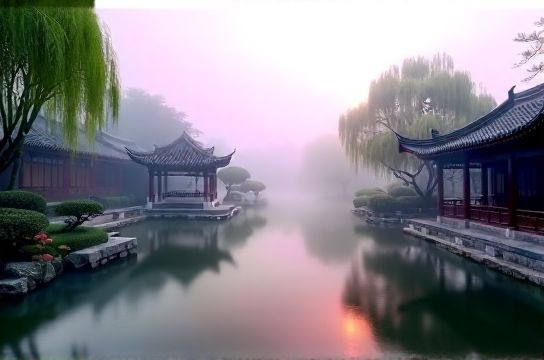
Originating during the 6th century BCE, Suzhou’s garden culture peaked in the Ming and Qing dynasties. Today, nine of them are UNESCO World Heritage Sites. Why? Because each garden is designed to reflect the universe in miniature. Think winding paths, symbolic rock formations, and ponds mirroring the sky — all arranged to spark contemplation.
Let’s break down the top 5 must-visit Suzhou gardens, based on historical value, visitor experience, and aesthetic impact:
| Garden Name | Established | UNESCO Listed | Best For | Visitor Rating (5.0) |
|---|---|---|---|---|
| Humble Administrator’s Garden | 1509 | Yes | First-time visitors | 4.8 |
| Lingering Garden | 1593 | Yes | Architecture lovers | 4.7 |
| Master of the Nets Garden | 1140 | Yes | Photographers | 4.9 |
| Coupling Garden | 1873 | Yes | Romantic strolls | 4.6 |
| Lion Grove Garden | 1342 | Yes | History buffs | 4.5 |
Pro tip: Arrive right at opening time (usually 7:30 AM). By 10 AM, tour groups flood in, turning serene pathways into shoulder-to-shoulder traffic. Also, spring (March–May) and autumn (September–November) offer the best light and foliage — ideal for that Instagram-perfect shot of lotus blossoms or golden ginkgo leaves.
Now, what makes these spaces more than just scenic spots? It’s their design principles. Traditional Suzhou gardens follow four key elements: water (symbolizing flexibility), rocks (endurance), plants (cycles of life), and architecture (human presence). Together, they embody Daoist and Confucian ideals — balance, humility, and harmony with nature.
For travelers comparing classical Chinese gardens to Japanese Zen gardens, here’s the real difference: Suzhou gardens invite exploration. You’re meant to wander, pause, reflect — not just observe from a bench. Every window frames a new view, every corridor leads to surprise.
In short, visiting a Suzhou garden isn’t sightseeing — it’s soul-refreshing. Whether you’re a culture seeker or just chasing beauty, this slice of Chinese heritage delivers. Pack comfy shoes, leave the crowds behind, and let centuries of wisdom flow through the lotus ponds.