
China's Living Culture at UNESCO Sites and Local Festivals
- Date:
- Views:200
- Source:The Silk Road Echo
If you're looking to truly understand China, skip the crowded shopping malls and head straight to its UNESCO World Heritage Sites and local festivals. These aren't just tourist spots — they're living, breathing expressions of culture that have survived centuries. As someone who’s explored over 15 provinces in China, I can tell you: this is where the real story unfolds.
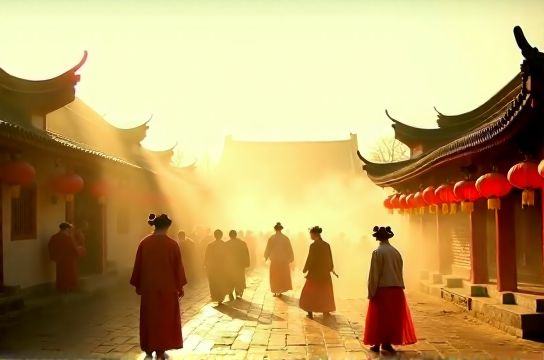
From ancient temples echoing with chants to villages erupting in dragon dances during Lunar New Year, China’s cultural heartbeat is strongest at these events and locations. Let’s dive into why mixing UNESCO sites with local celebrations gives you the richest travel experience — backed by data, not just hype.
Why Combine UNESCO Sites and Festivals?
China has 57 UNESCO World Heritage Sites — second only to Italy. But what sets many of these apart is how they remain woven into daily life. Unlike static ruins in other countries, places like the Pingyao Ancient City or Lijiang Old Town are still inhabited, with traditions practiced daily.
Pair that with local festivals — which attract over 1.2 billion domestic travelers annually (China Tourism Academy, 2023) — and you’ve got a cultural goldmine.
Top 4 UNESCO Sites That Come Alive During Festivals
Here’s a quick comparison of must-visit locations where heritage and celebration collide:
| Site | UNESCO Listed | Festival Highlight | Visitor Surge |
|---|---|---|---|
| Mount Tai, Shandong | 1987 | Lunar New Year Sunrise Ritual | +65% |
| Lijiang Old Town, Yunnan | 1997 | Naxi San Duo Festival | +80% |
| Pingyao Ancient City, Shanxi | 1997 | Spring Festival Lantern Fair | +90% |
| Classical Gardens of Suzhou | 1997 | Mid-Autumn Moon Viewing | +70% |
Notice a pattern? The biggest spikes happen when tradition meets tourism. In Pingyao, for example, the city transforms with red lanterns, opera performances, and even mock imperial parades — all rooted in Ming Dynasty customs.
Pro Tips for Authentic Experiences
- Go early: Arrive at UNESCO sites before sunrise during festivals to avoid crowds and catch rituals in peace.
- Learn a few phrases: Even saying “Guònián hǎo!” (Happy New Year) to locals in Lijiang opens doors.
- Stay local: Book family-run guesthouses inside ancient towns — they often host private festival events.
The truth? Mass tourism is real, but with smart planning, you can still find moments of genuine connection. I once joined a tea ceremony inside Suzhou’s Humble Administrator’s Garden at 6 AM during Mid-Autumn Festival — just me, a master brewer, and the moon. That’s the magic these places still hold.
In short: Don’t just visit China. Feel it. Walk its ancient streets during festivals, hear the gongs, taste the food, and let the culture move you. That’s when history stops being history — and starts being alive.