
Best Cultural Journeys in China for History Enthusiasts
- Date:
- Views:321
- Source:The Silk Road Echo
If you're a history buff with a serious case of wanderlust, China should be at the top of your bucket list. Seriously — this country packs over 5,000 years of civilization into jaw-dropping monuments, ancient cities, and living traditions. But with so many options, where do you even start? Don’t worry — I’ve walked the Great Wall (more than once), wandered through Forbidden City corridors at sunrise, and haggled in Silk Road bazaars. Here’s my curated list of the best cultural journeys in China that’ll feed your brain and soul.
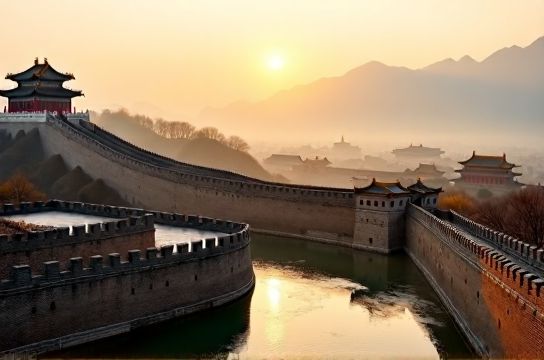
1. Xi’an: Where Terracotta Warriors Stand Guard
Kick things off in Xi’an, the ancient capital that once kicked off the Silk Road. This city is home to the legendary Terracotta Army — more than 8,000 life-sized soldiers buried to protect Emperor Qin Shi Huang in the afterlife. And guess what? Only about 30% has been excavated. Mind = blown.
While you’re here, don’t miss the 14-km-long Ancient City Wall, perfect for biking at golden hour. The Muslim Quarter? A foodie dream — try roujiamo (Chinese hamburger) and persimmon cakes.
2. Beijing: Imperial Power on Full Display
No cultural journey in China is complete without Beijing. The Forbidden City alone houses 980 surviving buildings and nearly 2 million artifacts. Pro tip: arrive early to avoid crowds and catch the flag ceremony at Tiananmen Square.
And yes — you must walk the Great Wall. Skip the touristy Badaling section; head to Mutianyu or Jinshanling for fewer people and epic views.
3. Luoyang & the Longmen Grottoes
Less crowded but just as powerful, Luoyang’s Longmen Grottoes feature over 100,000 Buddhist statues carved into limestone cliffs between the 5th and 10th centuries. It’s a UNESCO site for a reason.
| City | Main Attraction | Historical Era | Visitor Numbers (Annual) |
|---|---|---|---|
| Xi’an | Terracotta Army | Qin Dynasty (221–206 BCE) | 9.5 million |
| Beijing | Forbidden City | Ming & Qing Dynasties | 17 million |
| Luoyang | Longmen Grottoes | Northern Wei to Tang | 3.2 million |
4. Suzhou: Venice of the East
Swap palaces for poetry. Suzhou’s classical gardens — like the Humble Administrator’s Garden — are masterpieces of Ming-era design. Every rock, pond, and pavilion symbolizes harmony between humans and nature.
Final Thoughts
China isn’t just about skyscrapers and tech — it’s a living museum. Whether you're tracing emperors or monks, these cultural journeys deliver depth, beauty, and unforgettable moments. Pack your curiosity — you’re in for the trip of a lifetime.