
Beyond the Tourist Trail: Deep Cultural Travel in China's Hidden Towns
- Date:
- Views:285
- Source:The Silk Road Echo
Forget the crowds at the Great Wall and the neon buzz of Shanghai. If you're craving a deeper, more soulful experience in China, it’s time to go off-grid—into the misty hills, ancient alleys, and timeless villages that pulse with real culture. Welcome to the road less traveled: China’s hidden towns.
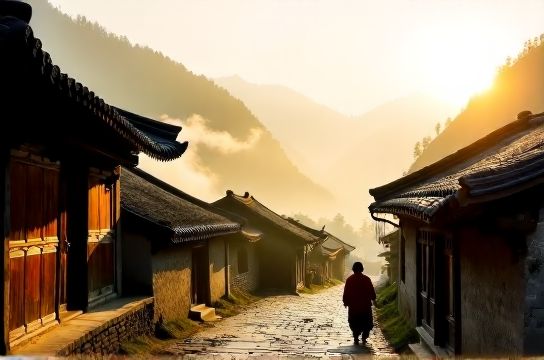
These aren’t just scenic spots; they’re living museums where traditions haven’t been staged for tourists—they’ve been lived for centuries. From Dong minority drum towers echoing with polyphonic songs to Naxi elders reading sacred scrolls in forgotten dialects, these places offer something rare: authenticity.
Take Fenghuang Ancient Town in Hunan. Nestled along the Tuo River, this stilted village feels like stepping into a classical Chinese painting. But unlike its over-photographed peers, Fenghuang still hums with local life. Morning markets overflow with handmade tofu and indigo-dyed cloth. And yes, it gets visitors—but wander past the main drag, and you’ll find grandmothers weaving on wooden looms, their fingers moving like clockwork.
Or consider Shaxi in Yunnan—a Silk Road stop lost in time. With fewer than 3,000 residents and no chain stores, this Bai ethnic enclave centers around a 14th-century square where farmers still gather weekly. The nearby Jianzhao Mountain Monastery? Barely touched by tourism. You might be the only foreigner there—and that’s the point.
Why These Towns Matter
Mass tourism brings money but often erases culture. In contrast, deep cultural travel supports preservation. A UNESCO report found that communities managing heritage sites sustain traditions 68% longer when tourism is low-impact.
| Town | Province | Population | Key Culture | Visitor Footprint (Daily) |
|---|---|---|---|---|
| Fenghuang | Hunan | ~40,000 | Miao & Tujia | 2,000–3,000 |
| Shaxi | Yunnan | ~2,800 | Bai | <500 |
| Zhaoxing | Guizhou | ~9,000 | Dong | 1,200 |
| Luoyang | Fujian | ~6,000 | Hakka Tulou | 800 |
See the difference? Smaller numbers mean richer interactions. In Zhaoxing, you can join a Dong choir rehearsal. In Fujian’s Luoyang, sleep inside a 400-year-old Hakka tulou (earth building) and share tea with descendants of the original builders.
The key is respectful engagement. Learn a few phrases in the local dialect. Eat where locals eat—think steamed fish with pickled chilies, not 'Westernized' dumplings. And always ask before photographing people.
China’s soul isn’t in its skyscrapers. It’s in the quiet moments: a monk ringing a temple bell at dawn, a child learning calligraphy from her grandfather, a farmer guiding water buffalo through flooded rice fields. These hidden towns don’t just show you China—they let you feel it.
So next time, skip the guidebook highlights. Go deeper. Listen closer. The real China is waiting in the shadows of the map.