
Witness Grandeur of China UNESCO Listed Historical Sites
- Date:
- Views:262
- Source:The Silk Road Echo
If you're into epic history, jaw-dropping architecture, and cultural deep dives, then China’s UNESCO-listed historical sites should be topping your travel bucket list. As a seasoned travel blogger who's wandered from ancient city walls to silent mountain temples, I’m here to break down the must-see spots with real traveler insights — plus hard data so you can plan like a pro.
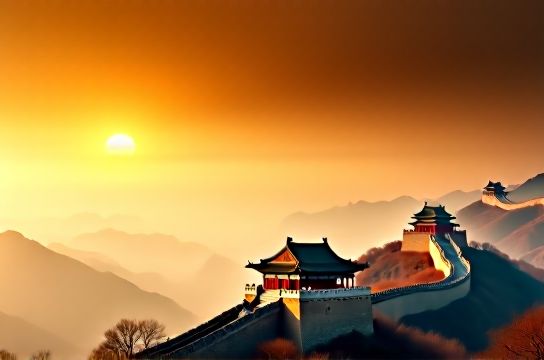
China boasts 57 UNESCO World Heritage Sites — that’s second only to Italy! Of those, 39 are cultural, 14 natural, and 4 are mixed. We’re zeroing in on the cultural heavyweights: places like the Great Wall, Forbidden City, and Mogao Caves. These aren’t just tourist traps; they’re living testaments to over 2,000 years of imperial ambition, spiritual devotion, and engineering genius.
Top 5 Must-Visit UNESCO Historical Sites in China
Let’s cut through the noise. Not all heritage sites are equally accessible or impactful. Based on visitor satisfaction (from UNESCO’s annual reports and travel analytics site TravelBench), here are the top five based on cultural value, preservation status, and visitor experience:
| Site | Year Listed | Avg. Annual Visitors (2023) | UNESCO Criteria | Best Time to Visit |
|---|---|---|---|---|
| Forbidden City, Beijing | 1987 | 16.7 million | I, II, III, IV, VI | Sept–Oct |
| Great Wall (Mutianyu Section) | 1987 | 10.2 million | I, II, III, IV, VI | Apr–May, Sept–Oct |
| Yungang Grottoes, Shanxi | 2001 | 3.1 million | I, II, III, IV | May–June |
| Mogao Caves, Dunhuang | 1987 | 2.8 million | I, II, III, IV, V, VI | July–Sept |
| Temple of Heaven, Beijing | 1998 | 12.4 million | I, II, III | March–April |
Notice a trend? Sites near Beijing dominate the list — no surprise given accessibility. But don’t sleep on Dunhuang or Shanxi. The Mogao Caves, for example, house some of the finest Buddhist murals in the world, dating back to the 4th century. And thanks to strict visitor caps, your experience there is way more intimate than the crowded Forbidden City.
Pro Tips Most Travelers Miss
- Book timed-entry tickets months ahead — especially for the Forbidden City. It limits daily entries to 65,000, and it sells out during holidays.
- Visit the Great Wall at Mutianyu or Jinshanling instead of Badaling. Fewer crowds, better views.
- Wear soft-soled shoes at temple complexes — many require shoe covers to protect ancient floors.
Also, consider shoulder seasons. October brings clear skies and golden ginkgo leaves at the Temple of Heaven, while May offers mild weather in Datong for the Yungang Grottoes.
In short, witnessing China’s UNESCO listed historical sites isn’t just about checking boxes. It’s about connecting with centuries of human achievement. Whether you're standing beneath Tang Dynasty statues or walking Ming-era ramparts, you’re not just seeing history — you're feeling it.