
Experience Real Chinese Culture Through Living Traditions
- Date:
- Views:303
- Source:The Silk Road Echo
Want to experience real Chinese culture? Skip the tourist traps. Forget cookie-cutter performances. The soul of China isn’t in museums—it’s alive in villages, temples, and family homes where traditions breathe through daily life.
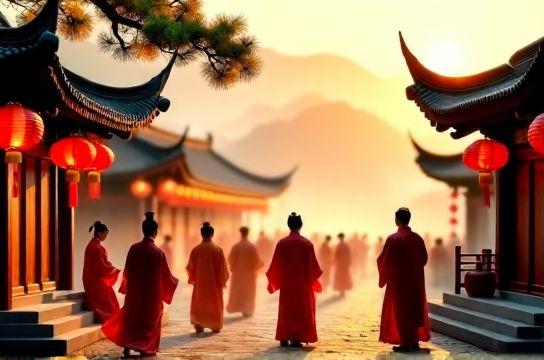
I’ve spent over a decade traveling rural China, from Yunnan’s terraced hills to Shanxi’s ancient courtyards. My advice? Go beyond the Great Wall and pandas. Dive into living customs that have shaped 5,000 years of history.
Why Living Traditions Matter
China’s rapid modernization makes preserving culture urgent. According to UNESCO, over 43 elements of Chinese intangible cultural heritage are at risk due to urbanization. But there’s hope—communities across the country are keeping rituals, crafts, and festivals alive.
By engaging with these practices, you’re not just sightseeing—you’re supporting cultural survival.
Top 5 Ways to Experience Real Chinese Culture
- Join a Local Festival
Festivals like the Lunar New Year or Dong族 (Dong) Sister’s Meal Festival offer immersive experiences. Locals cook ancestral recipes, wear handmade costumes, and perform age-old dances. - Learn From Master Craftsmen
Try your hand at shadow puppet carving in Shaanxi or silk weaving in Suzhou. Workshops led by national-level artisans give insight into skills passed down for generations. - Stay in a Heritage Home
Rent a restored siheyuan courtyard in Beijing or a Hakka tulou in Fujian. These homes aren’t replicas—they’re lived-in spaces with stories in every beam. - Practice Tea Ceremony With Farmers
Visit tea mountains in Fujian or Yunnan. Pick leaves, roast them over fire, and brew oolong or pu’er the way farmers have for centuries. - Attend a Temple Stay Program
Buddhist temples in Emei or Wutai Mountains welcome guests. Meditate with monks, chant at dawn, and eat vegetarian meals prepared using monastic recipes.
Best Regions for Cultural Immersion
Not all places offer authentic access. Here’s a breakdown of top regions based on cultural richness, accessibility, and community openness:
| Region | Cultural Highlight | Best Time to Visit | Local Engagement Score (1-10) |
|---|---|---|---|
| Yunnan (Dali & Lijiang) | Naxi music, Bai architecture | March–May | 9 |
| Guizhou (Qiandongnan) | Dong drum towers, Miao silverwork | September–October | 8.5 |
| Sichuan (Abba Tibetan Area) | Tibetan Buddhism, thangka painting | May–October | 8 |
| Shaanxi (Xi’an outskirts) | Terracotta legacy, folk opera | April–June | 7.5 |
Pro tip: Avoid peak holidays like National Week (October 1–7). Crowds dilute authenticity. Instead, plan around solar terms like Qingming (April 4–5), when families honor ancestors in quiet village rituals.
To truly experience real Chinese culture, slow down. Learn a few phrases in the local dialect. Share a meal. Listen more than you speak. The magic isn’t in the spectacle—it’s in the connection.