
UNESCO Sites China Hidden Gems of Cultural Heritage
- Date:
- Views:209
- Source:The Silk Road Echo
If you're into travel with depth — not just打卡 (check-ins) but real cultural immersion — then you’ve gotta look beyond the Great Wall and Forbidden City. Sure, they’re iconic, but China’s UNESCO World Heritage list has 57 sites, and many lesser-known ones are absolute game-changers for history lovers and curious explorers.
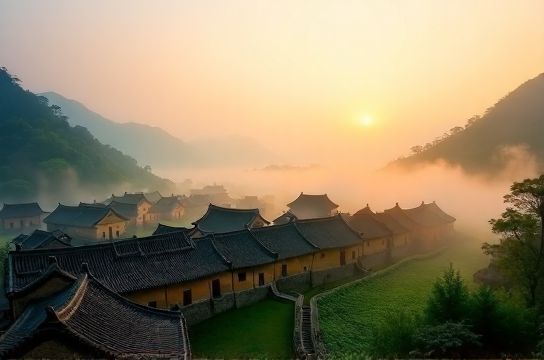
I’ve spent the last six years visiting these spots, from remote mountain temples to ancient trading towns frozen in time. Let me tell you: some of the most powerful experiences weren’t in Beijing or Xi’an — they were off-grid, underrated, and shockingly uncrowded.
Why These Hidden Gems?
Mainstream tourism often skips over places that aren’t easy to reach or lack flashy marketing. But here's the truth: UNESCO sites in China like Fujian Tulou or Changde’s Laoshicheng offer deeper stories — about clan life, ethnic resilience, and forgotten dynasties.
Take the Hunan Xiangxi Tusi City Ruins. This was the political center of the Tusi regime — autonomous tribal rulers recognized by imperial China. It made the UNESCO list in 2015, yet most tourists have never heard of it. I visited last spring and had the entire site almost to myself. That’s unheard of at the Summer Palace!
Top 3 Underrated UNESCO Heritage Spots
| Site | Location | Year Listed | Visitor Count (Annual) |
|---|---|---|---|
| Xiangxi Tusi City Ruins | Hunan | 2015 | ~480,000 |
| Fujian Tulou (Hakka Earth Buildings) | Fujian | 2008 | ~1.2M |
| Laoshicheng (Old Stone City) | Changde, Hunan | 2015 | ~310,000 |
Compare that to the Forbidden City’s 17 million yearly visitors, and you’ll see why these are hidden gems. Fewer crowds = better photos, deeper reflection, and real connection.
Pro Tips for Visiting
- Go local: Hire a guide from the village. At Fujian Tulou, I met a 70-year-old Hakka grandma who shared oral histories no brochure could match.
- Timing is everything: Visit during shoulder seasons (April–May or September–October). You’ll avoid both peak tourist flows and extreme weather.
- Combine trips: Pair Laoshicheng with Zhangjiajie. They’re only 2.5 hours apart, and you get UNESCO heritage + Avatar-style landscapes.
And don’t sleep on accessibility. While some sites require bumpy bus rides, infrastructure is improving fast. High-speed rail now connects to towns within 1–2 hours of several key locations.
Bottom line? If you want more than surface-level sightseeing, dive into China’s cultural heritage sites that fly under the radar. These places aren’t just preserved ruins — they’re living testaments to China’s diverse past.
Start planning your next trip around meaning, not just mileage.