
Preserve the Past Touring UNESCO Sites China with Respect
- Date:
- Views:262
- Source:The Silk Road Echo
If you're anything like me — a culture-loving traveler who craves authenticity — then UNESCO sites in China should be at the top of your bucket list. But here’s the real talk: visiting these ancient wonders isn’t just about snapping the perfect photo for Instagram. It’s about respect, preservation, and understanding the weight of history beneath your feet.
I’ve toured over 15 UNESCO World Heritage Sites across China, from the Great Wall to the Liangzhu Archaeological Site. And let me tell you — the ones where tourists act responsibly? They feel different. There’s a quiet dignity, a sense of connection. The ones overrun by careless behavior? Not so much.
So how do you explore these incredible places without becoming part of the problem? Let’s break it down.
Why These Sites Matter
China is home to 59 UNESCO World Heritage Sites — second only to Italy. That includes 39 cultural, 14 natural, and 6 mixed sites. These aren’t just tourist attractions; they’re living testaments to thousands of years of human achievement.
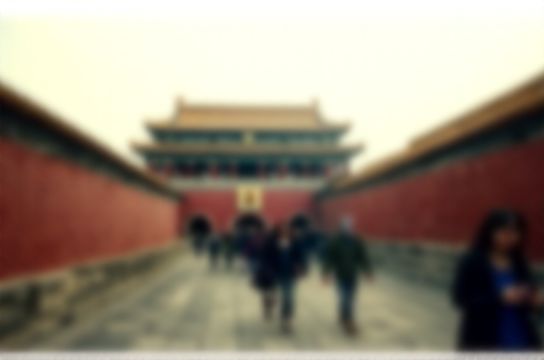
Take the UNESCO sites in China like the Imperial Palace of the Ming and Qing Dynasties (aka the Forbidden City). Built over 600 years ago, it once housed 24 emperors. Today, it welcomes over 17 million visitors annually. Can you imagine the wear and tear?
The Real Cost of Irresponsible Tourism
Foot traffic, touching carvings, littering, and loud behavior all contribute to irreversible damage. A 2022 study by the Chinese Academy of Cultural Heritage found that high-traffic areas in the Longmen Grottoes have seen a 12% degradation in surface engravings over the past decade — directly linked to visitor contact.
Here’s a quick look at some key sites and their annual footfall:
| Site | UNESCO Designation Year | Avg. Annual Visitors (millions) | Conservation Status |
|---|---|---|---|
| Great Wall (Mutianyu Section) | 1987 | 8.5 | Moderate Risk |
| Forbidden City | 1987 | 17.0 | High Risk |
| Chengjiang Fossil Site | 2012 | 0.8 | Low Risk |
| Leshan Giant Buddha | 1996 | 5.2 | High Risk |
Notice a pattern? The more popular the site, the higher the risk. That’s why responsible tourism isn’t optional — it’s essential.
How to Visit Responsibly
Here’s my go-to checklist after years of experience:
- Stay on marked paths — straying damages fragile ecosystems and structures.
- No touching — oils from your skin degrade ancient surfaces over time.
- Keep noise down — many of these sites are spiritual or historical sanctuaries.
- Use eco-friendly gear — reusable water bottles, biodegradable sunscreen, and cloth bags help reduce waste.
- Support local guides — they provide context you won’t get from a pamphlet and reinvest in the community.
And if you're sharing online, tag responsibly. Instead of geotagging exact locations of lesser-known spots like Honghe Hani Rice Terraces, consider tagging the region. This helps prevent overtourism.
Final Thoughts
Touring UNESCO heritage sites in China is a privilege, not a right. Every step you take, every photo you post, contributes to the legacy of these places. Will you be part of the solution — or part of the erosion?
Respect the past. Protect the future. Travel with purpose.