
China Cultural Heritage at Its Finest in UNESCO Locations
- Date:
- Views:257
- Source:The Silk Road Echo
If you're into history, culture, and jaw-dropping architecture, then China’s UNESCO World Heritage Sites should be at the top of your travel list. As someone who's explored over 20 countries and written about cultural heritage for years, I can confidently say—China delivers like no other. From ancient palaces to silent Buddhist grottoes, these locations aren’t just tourist spots—they’re time machines.
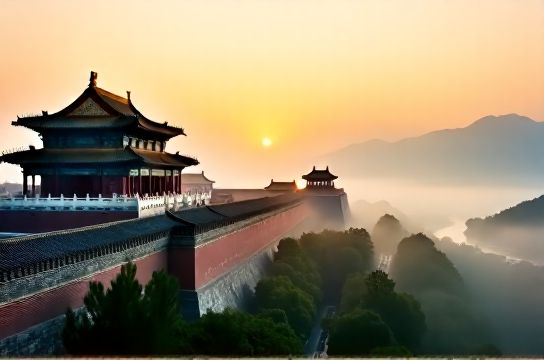
Why China’s UNESCO Sites Stand Out
China boasts 57 UNESCO-listed sites—the third-highest in the world after Italy and France. But what makes them special isn’t just quantity—it’s depth. These places tell stories of emperors, scholars, monks, and engineers whose legacies still shape modern life.
Take the Great Wall, for example. Most people know it as a long wall (which it is—over 13,000 miles!). But fewer realize it was built across 2,000 years by multiple dynasties. Or consider the Mogao Caves in Dunhuang, where Buddhist art flourished along the Silk Road for a millennium.
Top 5 Must-Visit UNESCO Sites in China
After years of research and boots-on-the-ground visits, here are my personal top picks—not just for beauty, but for authenticity and cultural weight.
| Site | Year Listed | Location | Key Feature |
|---|---|---|---|
| Imperial Palace (Forbidden City) | 1987 | Beijing | World’s largest imperial complex |
| Great Wall of China | 1987 | Northern China | 13,170+ miles long |
| Mogao Caves | 1987 | Dunhuang, Gansu | 492 temples with murals & statues |
| Mount Taishan | 1987 | Shandong | Sacred Taoist mountain |
| Classical Gardens of Suzhou | 1997 | Suzhou | Poetic landscape design |
Pro tip: Skip the overcrowded sections. For the Great Wall, hike Jiankou or Gubeikou instead of Badaling. At the Forbidden City, arrive at opening time—7 AM in summer—to beat the crowds.
Cultural Insights You Won’t Find in Guidebooks
The real magic? Understanding context. The China cultural heritage experience deepens when you know why these places mattered.
- Forbidden City: Aligned perfectly north-south, symbolizing the emperor as the 'Son of Heaven.'
- Mogao Caves: Over 45,000 square meters of壁画 (murals) show cultural fusion between China, India, Persia, and Greece.
- Suzhou Gardens: Designed to reflect philosophical balance—water for yin, rocks for yang.
Many travelers miss this layer. They snap photos but don’t feel the silence of a 1,000-year-old temple hall. That’s why I always recommend hiring local guides—especially at lesser-known sites like Koguryo Tombs or Fujian Tulou.
Plan Like a Pro: Best Times & Tips
Timing matters. Avoid Chinese holidays like National Week (Oct 1–7)—sites get packed. Instead, aim for April–May or September–October. Weather’s mild, and light is perfect for photography.
Also, check if your site offers night access. The Leshan Giant Buddha has evening sound-and-light tours that bring its history to life.
In short, China’s UNESCO sites aren’t just destinations—they’re gateways to understanding one of the world’s oldest continuous civilizations. Whether you’re a curious traveler or a culture geek, these places will leave you changed.