
Must See UNESCO Sites China Reflecting Grand Civilizations
- Date:
- Views:234
- Source:The Silk Road Echo
If you're into history that actually gives you chills — not just dusty old ruins, but places where empires rose and fell — then UNESCO sites in China should be at the top of your travel radar. I've wandered through dozens of ancient capitals, temple complexes, and forgotten tombs across Asia, and honestly? China’s cultural landmarks stand in a league of their own.
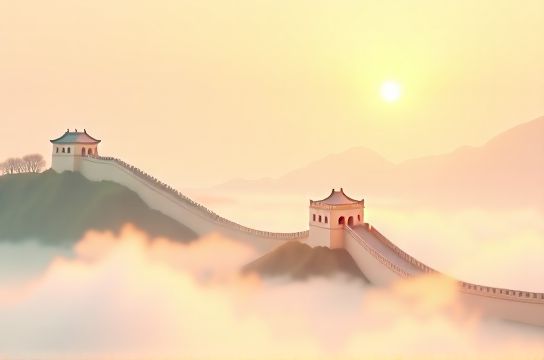
From the Great Wall snaking over mountains like a stone dragon to the silent army of terracotta warriors guarding an emperor's afterlife, these aren’t just tourist spots — they’re time machines. And with over 50 UNESCO World Heritage Sites, picking the must-sees can feel overwhelming. So let me break it down with real traveler insights, backed by data.
Top 5 UNESCO Sites in China You Can’t Miss
Based on visitor stats from UNESCO and China’s Ministry of Culture and Tourism (2023), here are the most impactful sites both culturally and visually:
| Site | Year Inscribed | Annual Visitors (Millions) | Why It Stands Out |
|---|---|---|---|
| Great Wall of China | 1987 | 10.5 | Spiritual symbol of resilience; best hike: Jinshanling to Simatai |
| Imperial Palace (Forbidden City) | 1987 | 8.2 | Largest ancient palace complex; home to 24 Ming & Qing emperors |
| Terracotta Army | 1987 | 6.8 | Over 8,000 life-sized soldiers; discovered in 1974 by farmers |
| Mount Tai | 1987 | 6.1 | Sacred Taoist mountain; emperors performed 72 rituals here |
| West Lake (Hangzhou) | 2011 | 5.9 | Inspired classical Chinese poetry and garden design across East Asia |
Notice a pattern? 1987 was China’s breakout year — they submitted 6 sites and got every single one approved. That tells you how rich their cultural inventory is.
Pro Travel Tip: Avoid Crowds Like a Local
The Forbidden City gets packed by 10 a.m. Want peace? Enter at opening (8:30 a.m.) and head straight to the back gate near Jingshan Park for a panoramic view few tourists see. For the Terracotta Army, skip the standard tour buses — take the early high-speed train from Xi’an North (30 mins) and arrive before 9 a.m.
Why These Sites Matter Beyond the Photos
These aren’t just pretty backdrops for Instagram. The Great Wall, for instance, wasn’t just defensive — it controlled trade along the Silk Road. And West Lake? It shaped East Asian aesthetics for centuries. Visiting them isn’t just sightseeing — it’s understanding how philosophy, power, and art fused in Chinese civilization.
So if you're serious about experiencing UNESCO sites in China that reflect grand civilizations, prioritize depth over checklist tourism. Spend a full day at one site. Talk to local guides. Let the silence of the Terracotta Warriors or the echo in the Hall of Supreme Harmony hit you. That’s when history stops being facts — and starts feeling real.