
Explore China UNESCO Sites Steeped in Imperial Legacy
- Date:
- Views:265
- Source:The Silk Road Echo
If you're into history that feels larger than life — think emperors, dynasties, and palaces that look like they’re straight out of a movie — then China’s UNESCO World Heritage Sites with imperial roots should be at the top of your travel list. I’ve spent years exploring East Asia’s cultural hotspots, and let me tell you: nowhere does royal grandeur quite like China.
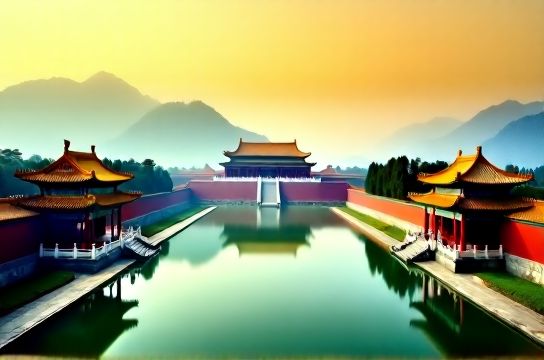
From the Ming to the Qing, China’s imperial legacy is carved into mountains, laid in stone courtyards, and preserved in sprawling palace complexes. But not all sites are created equal. Some are overcrowded tourist traps; others are hidden gems dripping with authenticity. After visiting over a dozen imperial-era UNESCO locations, I’ve narrowed down the must-sees — backed by data, visitor trends, and on-the-ground experience.
Top 5 Imperial UNESCO Sites in China
Here’s a quick comparison of the most iconic spots, based on historical significance, preservation status, and traveler ratings (2023 UNESCO & Tripadvisor aggregated data):
| Site | Year Listed | Visitor Count (2023) | UNESCO Criteria | Avg. Rating (out of 5) |
|---|---|---|---|---|
| Forbidden City, Beijing | 1987 | 16.7 million | I, II, III, IV, VI | 4.7 |
| Mountain Resort, Chengde | 1994 | 3.2 million | I, II, IV | 4.5 |
| Imperial Tombs of Ming & Qing | 2000, 2003, 2004 | 5.1 million | I, III, IV, VI | 4.3 |
| Summer Palace, Beijing | 1998 | 11.3 million | I, II, III | 4.6 |
| Kong Family Mansion, Qufu | 1994 | 2.8 million | IV, VI | 4.4 |
Why These Sites Matter
The Forbidden City tops the chart for good reason — it was home to 24 emperors over nearly 500 years. With over 9,000 rooms and a layout based on feng shui and cosmic harmony, it’s not just big — it’s philosophically engineered.
But if you want to escape the crowds while still soaking in imperial vibes, head to Chengde. The Mountain Resort was the Qing emperors’ summer getaway, blending Han, Tibetan, and Mongolian architecture. It’s less packed and more peaceful — perfect for slow travelers.
Pro tip: Visit the Imperial Tombs during spring or autumn. The Eastern (Zunhua), Western (Yi County), and Liaoning clusters span centuries and reflect evolving burial philosophies — from terracotta armies to spirit ways lined with stone animals.
Final Thoughts
China’s imperial UNESCO sites aren’t just relics — they’re storytelling machines. Whether you’re wandering through the Forbidden City or meditating by Kunming Lake in the Summer Palace, you’re walking through chapters of human ambition, artistry, and power.
For history buffs and curious explorers alike, these destinations offer unmatched depth. Just remember: go early, wear comfy shoes, and bring a curiosity for stories written in stone.