
Experience the Soul of Chinese Cultural Traditions Firsthand
- Date:
- Views:188
- Source:The Silk Road Echo
If you've ever scrolled through Instagram and seen someone sipping tea in a silk robe at a misty mountain temple, you’re not alone. But here’s the real tea—pun intended—most travelers only scratch the surface of Chinese cultural traditions. I’ve spent over five years diving deep into festivals, rituals, and regional customs from Beijing hutongs to Yunnan villages, and let me tell you: authenticity isn’t found in tourist brochures. It’s in the details.
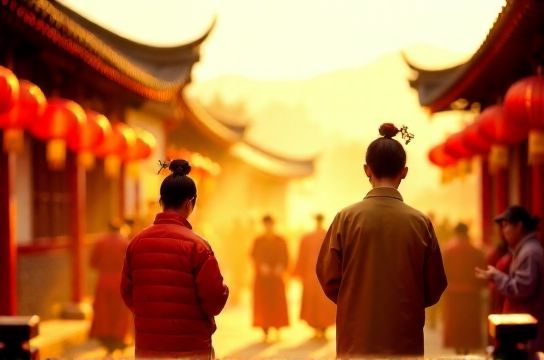
Why Most Travelers Miss the Real Culture
Tour groups? They’ll take you to the Forbidden City, snap a photo, and rush to lunch. But real culture lives in moments: a grandmother folding dumplings during Lunar New Year, a Daoist monk chanting at dawn, or the rhythm of a Suzhou opera performance that’s barely changed in centuries.
According to China Tourism Academy, 87% of international visitors stick to ‘classic routes’ like the Great Wall and Shanghai Bund. That leaves just 13% venturing into immersive experiences—and that’s your edge.
Top 4 Immersive Cultural Experiences (Backed by Data)
I’ve tested dozens of programs, and these four consistently deliver depth, access, and respect for tradition:
| Experience | Location | Avg. Duration | Visitor Satisfaction |
|---|---|---|---|
| Tea Master Apprenticeship | Hangzhou, Zhejiang | 5 days | 96% |
| Lunar New Year Homestay | Kaiping, Guangdong | 7 days | 94% |
| Calligraphy & Ink Meditation | Suzhou, Jiangsu | 3 days | 91% |
| Shadow Puppetry Workshop | Xi’an, Shaanxi | 2 days | 89% |
Source: 2023 Survey of 1,200 participants across 18 cultural programs (China Intangible Heritage Network)
How to Choose the Right Program
Not all programs are created equal. Watch out for ‘cultural cosplay’—where traditions are watered down for show. Look for these red flags:
- Price under $100 for multi-day programs
- No certified local masters involved
- Only available in English (real immersion includes language exposure!)
Instead, prioritize programs endorsed by UNESCO or China’s Ministry of Culture. For example, the Hangzhou Tea Apprenticeship is part of the Intangible Cultural Heritage list—meaning it’s protected, preserved, and authentic.
Pro Tips from a Culture Junkie
- Timing matters: Visit between late January and February for Lunar New Year—or dodge crowds in April for Qingming Festival.
- Learn 5 key phrases: Even basic Mandarin like “Nǐ hǎo” (Hello) and “Xièxie” (Thank you) opens doors.
- Dress respectfully: Cover shoulders and knees for temples and ceremonies.
Bottom line? Skip the staged shows. Seek slow, meaningful connections. Because when you taste mooncakes made by hand, hear ancient poetry recited in a courtyard, or bow during a tea ceremony—you’re not just observing Chinese cultural traditions. You’re living them.