
UNESCO Sites China Where Heritage Meets Timeless Beauty
- Date:
- Views:253
- Source:The Silk Road Echo
If you're into epic history, jaw-dropping architecture, and cultural vibes that hit different, then UNESCO sites in China should be at the top of your travel radar. I’ve spent years exploring ancient cities, hiking forgotten walls, and geeking out on imperial dynasties — and let me tell you, China’s UNESCO list isn’t just a bucket list; it’s a time machine.
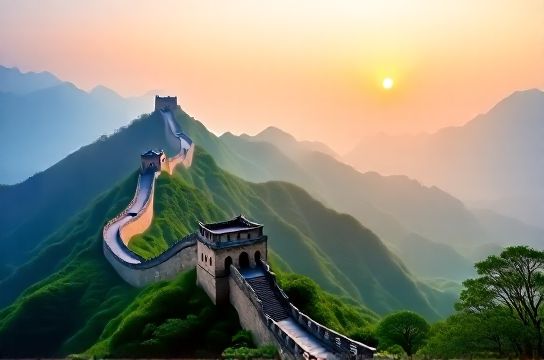
Right now, China boasts 57 UNESCO World Heritage Sites — second only to Italy globally. From the Great Wall to the serene gardens of Suzhou, these spots aren’t just tourist traps. They’re living testaments to engineering genius, philosophical depth, and artistic mastery.
Let’s break down some must-see locations with real traveler insights, plus data you can actually use:
Top 5 Must-Visit UNESCO Sites in China
| Site | Year Listed | Type | Visitor Tips |
|---|---|---|---|
| Great Wall of China | 1987 | Cultural | Visit Mutianyu or Jinshanling for fewer crowds |
| Forbidden City (Beijing) | 1987 | Cultural | Book tickets online 7 days early |
| Mount Tai (Shandong) | 1987 | Mixed (Cultural + Natural) | Hike at sunrise for spiritual energy |
| Terracotta Army | 1987 | Cultural | Hire a guide to decode warrior ranks |
| Suzhou Gardens | 1997 | Cultural | Visit Humble Administrator’s Garden first |
Notice something? 1987 was China’s big breakout year — they submitted 6 sites all at once, including three we just listed. That’s when global heritage experts truly started recognizing China’s unmatched historical continuity.
But here's where most blogs miss the mark: not all UNESCO sites are equally accessible. For example, while the UNESCO sites in China like Lijiang Old Town are packed with tourists, hidden gems like Tusi Sites in Hunan fly under the radar — despite being mind-blowing examples of ethnic governance from the Yuan and Ming dynasties.
Pro tip: Combine nearby sites to save time. Did you know that Xi’an’s Terracotta Army and the ancient capital’s city walls are less than 30 minutes apart? Pair them in one day.
Nature lovers, don’t sleep on the natural listings. Jiuzhaigou Valley, listed in 1992, has turquoise lakes and old-growth forests so surreal, they inspired the floating mountains in *Avatar*. Annual visitors: around 2 million — but go in late autumn for empty trails and golden foliage.
And yes, preservation matters. In 2023, UNESCO flagged air pollution and overtourism as risks for sites like the Mogao Caves. Translation? Visit responsibly. Go early, avoid holidays, and support local conservation efforts.
Bottom line: Whether you're chasing emperors’ footprints or mountain temples shrouded in mist, China’s UNESCO collection delivers depth, drama, and endless wanderlust. Just remember — these aren’t just places. They’re stories written in stone, silk, and silence.