
Traditional Festivals China Full of Color and Soul
- Date:
- Views:185
- Source:The Silk Road Echo
If you're dreaming of a trip to China, skip the usual tourist traps and dive into something way more vibrant—China's traditional festivals. These aren’t just calendar events; they’re living, breathing celebrations packed with color, history, and soul. From dragon dances under red lanterns to mooncakes under a harvest moon, Chinese festivals offer a front-row seat to culture that’s thousands of years old—and still wildly alive.
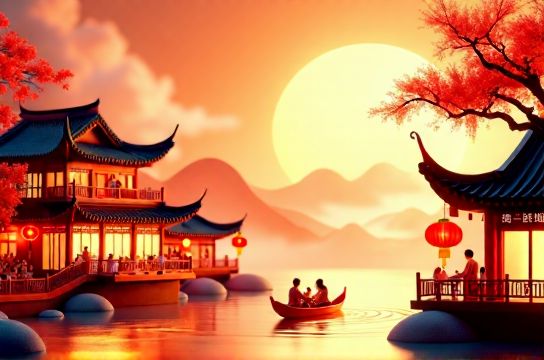
The Big Ones: Must-See Festivals in China
Let’s talk about the headliners. These are the festivals that shut down cities, light up skies, and bring families together across generations.
- Chinese New Year (Spring Festival) – The granddaddy of them all. Falling between January 21 and February 20, it’s China’s most important holiday. Think fireworks, lion dances, red envelopes (hóngbāo), and enough dumplings to feed a small army.
- Mid-Autumn Festival – Held on the 15th day of the 8th lunar month (usually September), this moon-watching festival is all about family reunions, poetic vibes, and sweet mooncakes.
- Dragon Boat Festival – June brings racing dragon boats, sticky zongzi wrapped in bamboo leaves, and legends of Qu Yuan, the ancient poet who drowned himself in protest.
Festival Fever: By the Numbers
Just how big are these events? Let’s break it down:
| Festival | When (2024) | Duration | Travel Volume |
|---|---|---|---|
| Chinese New Year | Feb 10 | 7 days | 3+ billion trips |
| Mid-Autumn Festival | Sept 17 | 3 days | 130 million trips |
| Dragon Boat Festival | June 10 | 3 days | 90 million trips |
Yep, you read that right—over 3 billion trips during Spring Festival. That’s more than the entire population of Earth traveling… twice.
Culture Beyond the Confetti
These festivals aren’t just fun and games—they’re cultural time capsules. Take the Lantern Festival, which wraps up Chinese New Year. Thousands of glowing lanterns float into the night sky, each carrying wishes. Or the Qingming Festival, where families honor ancestors by sweeping tombs and offering food—a touching blend of remembrance and ritual.
In rural villages, you’ll find traditions unchanged for centuries: paper-cutting, folk operas, and incense rising from ancient temples. In cities like Beijing and Shanghai, modern flair meets tradition with digital red envelopes and AR-powered lantern shows.
Tips for Travelers
- Book early: Trains and hotels sell out months ahead, especially for Chinese New Year.
- Learn a few phrases: Saying “Xīnnián kuàilè” (Happy New Year) earns big smiles.
- Try the food: From tangyuan (sweet rice balls) to salty zongzi, each bite tells a story.
Pro tip: Visit Pingyao or Lijiang during festivals. Smaller crowds, deeper traditions.
Final Thoughts
China’s traditional festivals are more than photo ops—they’re emotional journeys into the heart of a civilization. Whether you’re watching a dragon dance pulse through narrow alleys or sharing mooncakes under a silver moon, you’re not just observing culture. You’re living it.
So pack your curiosity (and maybe some comfy shoes). China’s festivals are waiting—and trust us, they know how to throw a party.