
Best UNESCO Sites China History Comes Alive
- Date:
- Views:236
- Source:The Silk Road Echo
China isn’t just a country—it’s a living museum. From ancient dynasties to imperial ambitions, the Middle Kingdom has stacked centuries of history into jaw-dropping UNESCO World Heritage Sites. If you’re craving culture with a side of epic scenery, these spots are non-negotiable. Let’s dive into the best UNESCO sites where Chinese history truly comes alive.
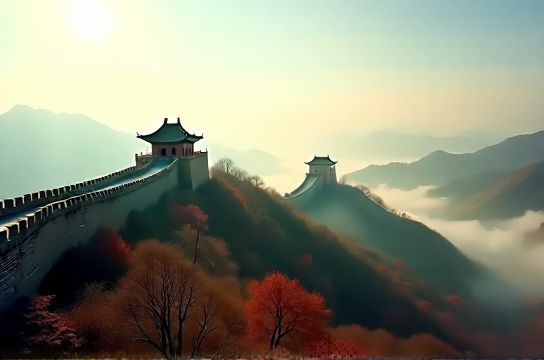
The Great Wall: More Than Just Bricks and Mortar
You’ve seen it in photos, but standing atop the Great Wall? That’s a whole different vibe. Stretching over 21,000 kilometers, this beast was built across multiple dynasties—mainly Qin and Ming—to protect China from northern invasions. It’s not just a wall; it’s a symbol of resilience.
Pro tip: Skip the crowded Badaling section. Head to Jiankou or Mutianyu for fewer people and more drama.
Forbidden City: Imperial Power on Display
Situated in the heart of Beijing, the Forbidden City served as the imperial palace for 24 emperors across the Ming and Qing dynasties. With over 9,000 rooms, this architectural marvel blends feng shui, symmetry, and sheer grandeur.
Fun fact: The number nine is considered lucky in Chinese culture—and you’ll see it everywhere, from roof decorations to staircase steps.
Xi’an Terracotta Army: An Emperor’s Eternal Guard
Emperor Qin Shi Huang didn’t just unify China—he took ‘legacy planning’ to another level. His tomb complex includes an entire army of 8,000 life-sized terracotta soldiers, each with unique facial features. Discovered in 1974, this site remains one of archaeology’s greatest finds.
| UNESCO Site | Year Listed | Visitors (Annual) |
|---|---|---|
| Great Wall | 1987 | 10+ million |
| Forbidden City | 1987 | 17 million |
| Terracotta Army | 1987 | 6.5 million |
| Mount Emei & Leshan Buddha | 1996 | 3 million |
Mount Emei and the Leshan Giant Buddha
Buddhism meets breathtaking nature in Sichuan Province. Mount Emei is one of China’s Four Sacred Buddhist Mountains, while the Leshan Giant Buddha—carved into a cliff face—is the world’s tallest stone Buddha at 71 meters high. It was built in the 8th century to calm turbulent river waters. Spoiler: It didn’t work—but it looks amazing doing it.
Why These Sites Matter Today
These aren’t just relics—they’re cultural anchors. Over 50% of China’s UNESCO sites are tied to historical or religious significance. They remind us that tradition, craftsmanship, and spiritual depth still have a place in our fast-moving world.
Whether you're a history buff, a photography lover, or just chasing awe, these destinations deliver. And with improved tourism infrastructure, accessing remote wonders like Jiuzhaigou Valley or the Ancient City of Pingyao has never been easier.
So pack your curiosity (and comfy shoes). China’s past is waiting—and it’s spectacular.