
Immerse in Real Chinese Cultural Experiences Naturally
- Date:
- Views:276
- Source:The Silk Road Echo
Want to go beyond the Great Wall and panda selfies? If you're craving authentic Chinese cultural experiences, skip the tourist traps and dive into the rhythms of real life. China isn’t just about ancient history or futuristic skylines—it’s in the morning tai chi in a neighborhood park, the sizzle of street food at midnight, and the warmth of a local family’s dinner table.
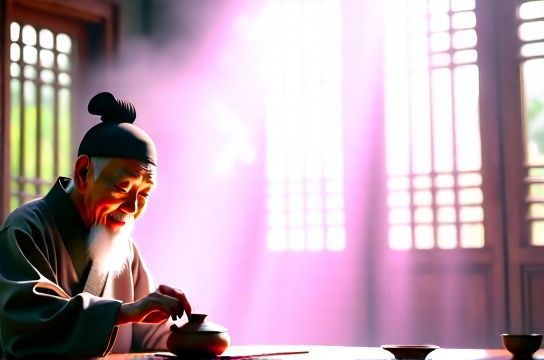
Why Authentic Beats 'Picture-Perfect'
Tourism has changed. Today’s travelers don’t just want to see—they want to feel. According to a 2023 report by China Tourism Academy, over 68% of international visitors now prioritize 'cultural immersion' over traditional sightseeing. That means cooking with a grandma in Yunnan, learning calligraphy from a master in Suzhou, or joining villagers during harvest season in Guangxi.
Top 5 Unique Cultural Experiences (And Why They Matter)
| Experience | Location | Best Time | Time Required |
|---|---|---|---|
| Tea Ceremony & Harvest | Hangzhou, Zhejiang | March–April (spring) | Half-day |
| Dong Minority Choir Visit | Zhaoxing, Guizhou | May–September | Full day |
| Calligraphy Workshop | Suzhou, Jiangsu | Year-round | 2–3 hours |
| Village Homestay (Yunnan Rice Terraces) | Yuanyang County | November–April | 2+ days |
| Lunar New Year Family Dinner | Various cities | January/February | Evening |
Take the Dong choir experience—these UNESCO-recognized polyphonic singers don’t perform for tourists on demand. But through community-based tourism programs, respectful visitors can attend rehearsals and even join in (yes, they’ll teach you the melody!). It’s not just music; it’s oral history, identity, and intergenerational connection.
How to Find the Real Deal
So how do you avoid 'fake folk' performances made for cameras? Look for keywords like 'community-led,' 'homestay,' or 'local host.' Platforms like TrustiTrip and WithLocals vet hosts who offer genuine interactions—not scripts. Also, small group tours (under 8 people) tend to offer deeper access than busloads of tourists.
Pro tip: Learn a few Mandarin phrases beyond 'hello' and 'thank you.' Locals light up when you try. Even mispronouncing 'wǒ ài nǐ' (I love you) with sincerity earns smiles—and often an invitation to dinner.
Culture Isn’t Always Comfortable (And That’s Good)
Real immersion means embracing the unfamiliar. Maybe the squat toilet gives you pause. Or the spiciest dish you’ve ever tasted sets your mouth on fire. These moments? They’re part of the story. One traveler shared how sharing baijiu (Chinese liquor) with a rural family led to laughter, tears, and a drunken karaoke session that bonded them forever.
As travel blogger Mei Lin says: 'The magic isn’t in perfection—it’s in the messy, human moments where language fails but connection thrives.'
Final Thoughts: Travel Like You Mean It
China’s soul lives in its people and traditions. Whether you’re grinding ink for calligraphy or hiking to a remote village festival, aim to leave more than footprints. Ask questions. Listen more than you speak. And remember: the best souvenirs aren’t trinkets—they’re stories etched in memory.
So ditch the checklist. Slow down. Let China surprise you.