
Living Culture in Chinese Cultural Experiences Beyond Museums
- Date:
- Views:237
- Source:The Silk Road Echo
Forget dusty exhibits and hushed hallways — the real magic of Chinese culture isn’t locked behind glass. It’s alive, loud, delicious, and waiting in alleyways, village courtyards, and bustling night markets. If you're craving authentic cultural immersion, skip the guidebook clichés and dive into these unforgettable living experiences that put you right in the heart of tradition.
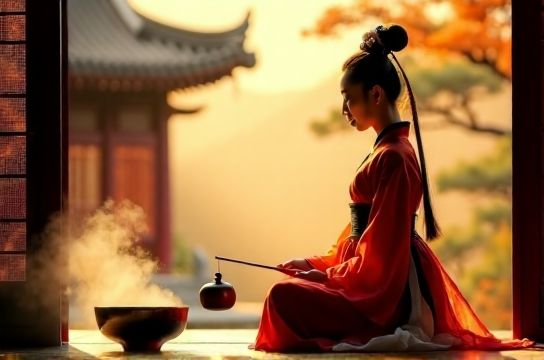
Why Living Culture Matters
Museums preserve history, but living culture is history in motion. From tea ceremonies passed down through generations to shadow puppetry performed by local troupes, these traditions thrive because people still practice them. According to UNESCO, over 40 intangible cultural heritage elements in China are recognized globally — from Peking Opera to acupuncture. But numbers don’t do justice to the warmth of a grandmother teaching you dumpling folds in Xi’an or the hypnotic rhythm of a Suzhou Pingtan ballad sung in a riverside teahouse.
Top 5 Living Cultural Experiences You Can’t Miss
- Tea Ceremonies in Hangzhou’s Longjing Village
Sip emerald-green Dragon Well tea where it’s grown. Participate in a hands-on session harvesting and roasting leaves with local farmers. Pro tip: Visit in early April for the spring harvest — freshness peaks then. - Calligraphy Workshops in Beijing’s Hutongs
Unlock ancient art one brushstroke at a time. Master calligraphers guide you through writing your name in seal script using ink sticks ground by hand. It’s meditative, messy, and deeply personal. - Festival Immersion: Join a Local Celebration
Time your trip around events like the Dong族 (Dong) New Year or the Dai Water-Splashing Festival. Locals don’t just perform — they invite you to dance, eat, and celebrate as family. - Shadow Puppetry in Xi’an’s Backstreets
Watch intricately carved leather figures dance behind a lit screen, narrating epic tales of loyalty and love. Some shows even let you try manipulating the puppets! - Cooking Classes with Home Chefs in Chengdu
Learn to balance mala (numbing-spicy) flavors from grandmothers who’ve cooked Sichuan style for decades. Bonus: You’ll leave with recipes no restaurant will ever share.
When & Where: Quick Reference Guide
| Experience | Best Time to Visit | Location | Avg. Cost (USD) |
|---|---|---|---|
| Tea Harvesting | March–April | Hangzhou, Zhejiang | $35 |
| Calligraphy Class | Year-round | Beijing Hutongs | $25 |
| Dai Water Festival | April (Thai New Year) | Xishuangbanna, Yunnan | Free–$15 |
| Shadow Puppet Show | Evenings, daily | Xi’an Muslim Quarter | $10 |
| Sichuan Cooking Class | Year-round | Chengdu, Sichuan | $40 |
These aren’t tourist traps — they’re real moments where culture breathes. And yes, many offer English support without losing authenticity.
The Bottom Line
China’s soul isn’t just in its past — it’s in every steamed bun folded with care, every folk song hummed on a bamboo bridge. To truly know the country, get off the beaten path and live the culture. Your Instagram feed (and your heart) will thank you.