
Experience Living Traditions at UNESCO Sites China Today
- Date:
- Views:293
- Source:The Silk Road Echo
China isn’t just about skyscrapers and bullet trains — step off the beaten path and you’ll find ancient traditions still breathing life into UNESCO World Heritage Sites across the country. These aren’t frozen relics; they’re living, evolving cultures where tea ceremonies, temple chants, and folk dances echo through centuries. Let’s dive into how you can truly experience living traditions at UNESCO sites in China today.
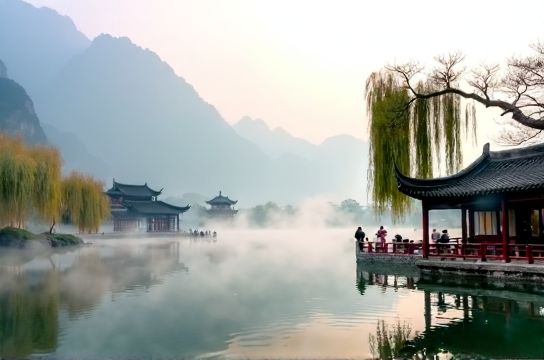
Why China’s UNESCO Sites Are Unlike Anywhere Else
With over 50 UNESCO-listed locations, China ranks among the top countries for cultural preservation. But what sets many of these sites apart is their living heritage — daily rituals, seasonal festivals, and artisan crafts passed down through generations.
Take Lhasa’s Potala Palace, for example. It’s not just an architectural marvel — it’s a spiritual hub where monks still chant Tibetan sutras at dawn. Or visit Fujian’s Tulou earthen buildings, where entire clans live in circular harmony, preserving Hakka customs since the 13th century.
Top Living Heritage Sites You Can Visit
Here are a few standout destinations where culture isn’t performed — it’s lived.
| Site | Location | Living Tradition | Best Time to Visit |
|---|---|---|---|
| West Lake Cultural Landscape | Hangzhou | Tea picking & Dragon Well tea ceremonies | March–April (spring harvest) |
| Dazu Rock Carvings | Chongqing | Buddhist meditation & local temple fairs | February (Lunar New Year) |
| Old Town of Lijiang | Yunnan | Naxi music & Dongba script rituals | October–November (clear skies) |
| Karst Landscapes | Guilin & Yangshuo | Zhuang minority fishing with cormorants | September–November |
These places offer more than photo ops — they invite participation. In Lijiang, you might join a Naxi elder learning ancient flute melodies. In Hangzhou, roll up your sleeves and help pick tea leaves before sipping a freshly brewed cup by the lake.
How to Engage Respectfully
Remember: you’re a guest in someone’s ancestral home. Avoid intrusive photography during prayers or private ceremonies. Instead, ask permission, learn a few local phrases, and support community-run homestays or craft workshops.
In Fujian’s Tulou villages, some families welcome travelers for dinner — a chance to taste homemade rice wine and hear stories that never make it into guidebooks.
Plan Your Journey with Purpose
The magic of China’s UNESCO sites lies in their authenticity. Skip the mass-tourist traps and opt for slow travel. Stay longer, listen more, and let the rhythm of local life shape your adventure.
Whether you’re meditating with monks in Mount Emei or watching cormorant fishermen glide across misty rivers, you’re not just visiting history — you’re becoming part of its next chapter.
So pack light, stay curious, and get ready to experience living traditions at UNESCO sites in China today. This isn’t tourism — it’s transformation.