
Qingming Festival: Honoring Ancestors in a Traditional Chinese Way
- Date:
- Views:269
- Source:The Silk Road Echo
Every spring, as cherry blossoms bloom and the air turns warm, millions of families across China take a quiet journey—not just through cities and countryside, but back in time. This is the Qingming Festival, also known as Tomb-Sweeping Day, a moment when tradition, memory, and family come together in the most heartfelt way.
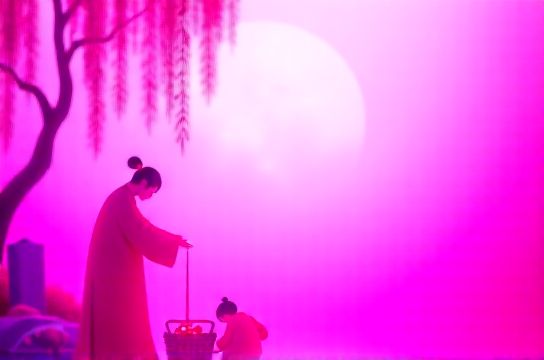
Held on the 4th or 5th of April each year, Qingming isn’t about loud celebrations or fireworks. Instead, it’s a day of reflection. People visit the graves of their ancestors, cleaning tombstones, laying fresh flowers, and offering food, tea, or even paper replicas of money and goods—burned gently as symbolic gifts for the afterlife. It’s a beautiful blend of respect, love, and cultural continuity.
But Qingming isn’t all solemn rituals. The name itself means 'clear and bright,' which perfectly captures the spirit of the season. After paying respects, many families enjoy outings in nature—flying kites, having picnics under willow trees, or strolling through parks. Kids laugh, elders share stories, and everyone savors traditional snacks like qingtuan, those cute green rice balls made with mugwort. It’s a reminder that honoring the past doesn’t mean forgetting to live in the present.
This festival dates back over 2,500 years, originally linked to Cold Food Day, when people avoided lighting fires to remember a loyal advisor from ancient times. Over centuries, the two customs merged into what we now know as Qingming—a day that balances mourning with renewal, sorrow with hope.
In today’s fast-paced world, where life moves at screen-scroll speed, Qingming offers something rare: a chance to slow down, reconnect with roots, and remember who we are because of those who came before us. Whether you’re placing chrysanthemums on a gravestone or simply sharing a qingtuan with loved ones, the message is clear—family ties don’t end with life.
And while it’s deeply rooted in Chinese culture, the idea behind Qingming resonates universally. Don’t we all want to be remembered? To know our lives mattered to someone? That’s the quiet power of this festival—it turns grief into gratitude, and memory into meaning.
So next time April rolls around, maybe take a leaf from the Qingming book. Call your grandma. Ask about your great-grandparents. Or just sit quietly and think about the people who shaped your story. Because honoring ancestors isn’t just tradition—it’s humanity at its most tender.