
Hakka Tulou: Communal Life in Fujian's Earthen Fortresses
- Date:
- Views:368
- Source:The Silk Road Echo
Ever heard of giant circular earthen buildings tucked into the misty hills of southern China? Meet the Hakka Tulou—ancient, fortress-like homes that look like something out of a fantasy movie, but are very real and totally mind-blowing. These massive structures, found mostly in Fujian Province, were built by the Hakka people centuries ago, and they’re not just cool to look at—they’re a full-on lesson in community living.
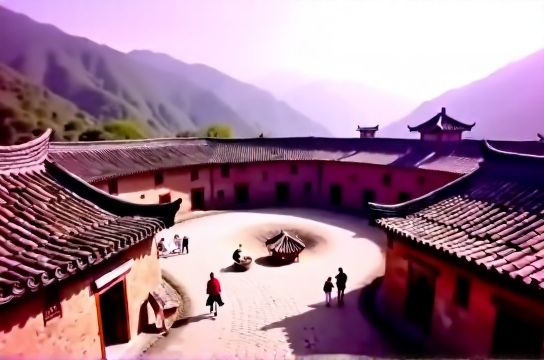
Imagine a building that houses up to 80 families, all related or connected through generations, sharing kitchens, halls, and even values. That’s the tulou life. Made from wood, stone, and that special mix of pounded earth (think clay, sand, bamboo strips, and even rice glue—yes, really), these buildings were designed to protect, sustain, and bring people together.
Why go round? Most tulous are circular or oval, and there’s genius behind the shape. The circular design spreads weight evenly, making the walls super strong—some over six feet thick! That meant protection from bandits and wild animals. Plus, everyone gets equal access to the central courtyard. No VIP spots—just pure equality.
Inside, it’s like a village within a wall. Floors stacked three or four high, with each family getting a vertical slice of the pie—from ground floor kitchen to top-floor bedrooms. Shared water wells, ancestral halls, and storage spaces keep everyone connected. It wasn’t just about survival; it was about unity.
And get this—the oldest tulous date back to the 12th century! But many were built during the Ming and Qing dynasties when the Hakka, often seen as outsiders, needed safe places to settle. Over time, these homes became symbols of resilience, cooperation, and cultural pride.
In 2008, UNESCO gave the Hakka Tulou World Heritage status, and for good reason. They’re not just old buildings—they’re living examples of sustainable architecture and tight-knit community values. Some tulous are still home to families today, while others welcome tourists eager to peek into this unique way of life.
Staying overnight in a tulou? Totally possible. You can sleep in a traditional wooden room, eat home-cooked Hakka meals, and hear stories passed down for generations. It’s eco-friendly, culturally rich, and honestly, kind of magical.
So if you’re into travel that goes beyond Instagram spots—if you want to feel history, culture, and human connection—add Fujian’s earthen fortresses to your bucket list. The Hakka Tulou aren’t just relics. They’re proof that sometimes, the strongest homes aren’t built with steel, but with community.