
Uncover the Essence of Chinese Cultural Heritage and History
- Date:
- Views:184
- Source:The Silk Road Echo
China isn't just a country—it's a living museum. From ancient dynasties to revolutionary reforms, every stone, scroll, and skyline tells a story. If you're ready to dive deep into one of the world’s oldest continuous civilizations, this guide is your golden ticket.
Why Chinese Culture Stands the Test of Time
With over 5,000 years of recorded history, China has shaped philosophy, art, science, and governance in ways that still echo today. Think Confucius’ teachings on harmony, the invention of paper and gunpowder, or the Great Wall snaking across mountains like a stone dragon. This isn’t just heritage—it’s human innovation at its finest.
Must-Visit Historical Gems
You can’t truly grasp China without stepping into its past. Here are four unmissable destinations that blend culture, history, and jaw-dropping visuals:
| Site | Location | Historical Period | UNESCO Listed? |
|---|---|---|---|
| Forbidden City | Beijing | Ming & Qing Dynasties | Yes (1987) |
| Temple of Heaven | Beijing | Ming Dynasty | Yes (1998) |
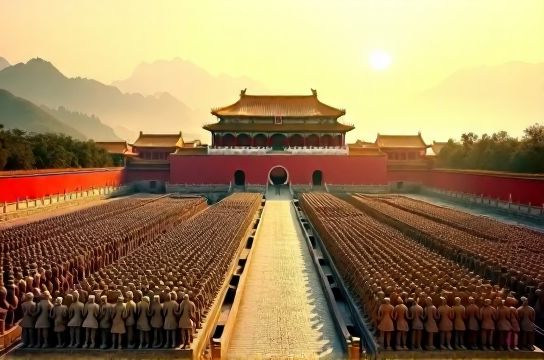
| Xi’an Terracotta Army | Shaanxi | Qin Dynasty (210 BCE) | Yes (1987) |
| Summer Palace | Beijing | Qing Dynasty | Yes (1998) |
Pro tip: Visit the Forbidden City early in the morning. The crowds thin out, and sunlight glinting off golden rooftops? Pure magic.
The Philosophy That Shaped a Nation
You’ve heard of Confucius—but do you know how his ideas still shape daily life in China? Concepts like ren (benevolence), li (ritual propriety), and family loyalty aren’t just textbook terms. They’re woven into education, business etiquette, and even how people greet each other.
Taoism and Buddhism add more layers. Ever tried sipping tea in a quiet temple garden, listening to monks chant? That’s Taoist influence—harmony with nature, simplicity, and inner peace.
Language: The Key to Deeper Understanding
Spoken by over 1.3 billion people, Mandarin isn’t just a language—it’s a cultural code. Each character carries meaning, history, and often poetic imagery. For example, the word for 'crisis' (weiji 危机) combines 'danger' and 'opportunity'. Pretty profound, right?
While fluency takes years, learning basic phrases like nǐ hǎo (hello) or xièxie (thank you) opens doors—and hearts.
Craftsmanship That Defies Time
Chinese artisans have been perfecting their craft for centuries. Take silk: produced since 2700 BCE, it once traveled the Silk Road, connecting East and West. Or porcelain from Jingdezhen, so fine it was called 'china' in English.
Want to see this mastery firsthand? Visit Suzhou’s embroidery workshops or Hangzhou’s tea plantations. These aren’t tourist traps—they’re living traditions passed down through generations.
Modern China, Rooted in Tradition
Today’s China dazzles with skyscrapers and bullet trains, but tradition thrives beneath the surface. Lunar New Year reunions, calligraphy during festivals, and ancestral worship show how deeply heritage runs—even in tech hubs like Shenzhen.
The blend is real: young entrepreneurs quote Sun Tzu’s Art of War while launching startups, and AI companies name products after mythical creatures like Qilin.
Final Thoughts: Travel with Purpose
Exploring Chinese cultural heritage isn’t about ticking boxes. It’s about connection—understanding how ancient wisdom informs modern life, and how respect for history fuels progress. So pack curiosity, not just luggage. Walk the Great Wall with reverence. Sip oolong tea like it’s a meditation. Let China’s past speak to your present.
Ready to uncover the essence? China’s waiting.