
Celebrate Traditional Festivals China Rich in Customs and Color
- Date:
- Views:205
- Source:The Silk Road Echo
Want to dive into one of the most vibrant cultural experiences on Earth? Look no further than traditional festivals in China. With over 5,000 years of history, Chinese festivals are more than just holidays—they’re living stories filled with symbolism, delicious food, dazzling performances, and deep-rooted family values.
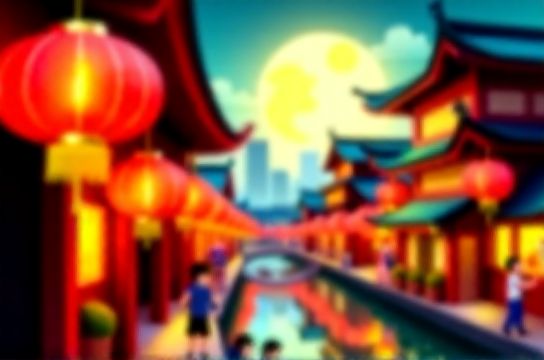
From the explosive joy of the Spring Festival to the poetic beauty of the Mid-Autumn Festival, each celebration offers a unique window into Chinese heritage. Let’s explore the top three traditional festivals that define China’s cultural rhythm—and why you should experience them firsthand.
1. Spring Festival (Chinese New Year)
Kicking off the lunar calendar, this is China’s biggest and most emotional festival. Families reunite, cities light up with red lanterns, and firecrackers echo across the land to scare away evil spirits.
Key Facts:
| Festival | Duration | Key Traditions | Popular Foods |
|---|---|---|---|
| Spring Festival | 15 days | Red envelopes, lion dances, fireworks | Dumplings, fish, niangao (sticky rice cake) |
| Mid-Autumn Festival | 1–3 days | Moon gazing, lanterns, family reunion | Mooncakes, pomelos, tea |
| Dragon Boat Festival | 1 day | Racing dragon boats, hanging herbs | Zongzi (glutinous rice dumplings) |
2. Mid-Autumn Festival: A Night of Unity & Mooncakes
Held on the 15th day of the 8th lunar month (usually September), this dreamy festival celebrates harvest and togetherness. The full moon symbolizes completeness and family unity.
You’ll see kids parading with colorful lanterns, couples strolling under moonlight, and everyone sharing mooncakes—rich pastries often filled with lotus seed paste or salted egg yolk. Pro tip: Try a modern twist like ice cream or matcha mooncakes!
3. Dragon Boat Festival: Speed, Spice & Legend
Marked by intense boat races and aromatic zongzi, this festival honors Qu Yuan, a patriotic poet who drowned himself in protest. Teams paddle furiously in long, ornate boats while crowds cheer.
Beyond the race, families hang calamus and wormwood to ward off disease—proof that tradition blends myth, health, and community spirit.
Why These Festivals Matter Today
In our fast-paced world, these celebrations offer something rare: slowed-down time with loved ones. According to a 2023 survey by China Tourism Academy, over 78% of domestic travelers choose festival periods for trips, seeking authentic cultural experiences.
And it’s not just locals—international visitors are flocking to cities like Xi’an, Hangzhou, and Chengdu during festivals to witness dragon dances, temple fairs, and night markets bursting with flavor.
Travel Tips for Festival Season
- Book transport and hotels 3–6 months early—festivals mean peak travel.
- Learn a few festive phrases like “Xīnnián kuàilè” (Happy New Year) or “Zhōngqiū kuàilè” (Happy Mid-Autumn).
- Respect local customs—e.g., avoid giving clocks as gifts (symbolizes death).
Whether you're biting into a steaming dumpling at CNY or watching golden lanterns float into the night sky, China’s traditional festivals are unforgettable sensory journeys. They’re not just about celebration—they’re about connection, memory, and the timeless dance between past and present.
So next time the lunar calendar flips, don’t just scroll past. Celebrate. Eat. Remember. That’s where real culture lives.