
Traditional Festivals China Celebrating Centuries of Culture Vividly
- Date:
- Views:278
- Source:The Silk Road Echo
China's traditional festivals are like colorful threads woven through the fabric of time, connecting ancient customs with modern celebrations. From lantern-lit streets to dragon dances that shake the ground, these festivals aren't just parties—they're living stories passed down for centuries.
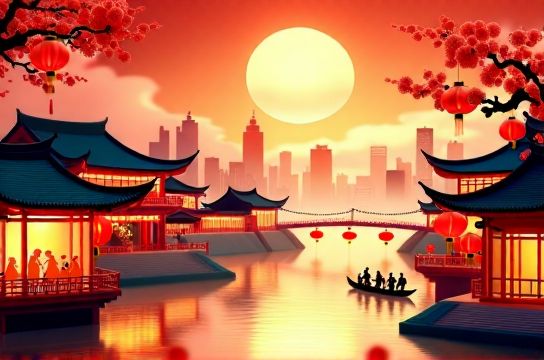
Let’s dive into some of the most iconic Chinese festivals, where culture meets celebration in the most vibrant ways.
Spring Festival: The Granddaddy of Them All
Kicking off the lunar calendar, the Spring Festival (Chinese New Year) is China’s biggest holiday. Lasting 15 days, it’s a whirlwind of family reunions, red envelopes (hongbao), and firecrackers meant to scare away evil spirits.
In 2023, over 1.3 billion people celebrated across China and the diaspora. Cities go all out—Beijing’s Forbidden City glows with lanterns, while Hong Kong dazzles with its famous light parade.
| Festival | Timing (Lunar) | Duration | Key Traditions |
|---|---|---|---|
| Spring Festival | 1st Day, 1st Month | 15 days | Fireworks, dumplings, red envelopes |
| Mid-Autumn Festival | 15th Day, 8th Month | 1–3 days | Mooncakes, family reunions, lanterns |
| Dragon Boat Festival | 5th Day, 5th Month | 1 day | Racing, zongzi, honoring Qu Yuan |
Mooncakes & Family Ties: Mid-Autumn Magic
If Spring Festival is about new beginnings, the Mid-Autumn Festival is all about reflection and reunion. Held when the moon is fullest, families gather to share mooncakes—sweet pastries often stuffed with lotus paste or salted egg yolk.
Sales of mooncakes hit over $1.5 billion USD annually, with creative flavors like durian, matcha, and even ice cream filling shelves. It’s not just dessert—it’s symbolism. The round shape represents unity, echoing the full moon above.
Rhythm of the Drums: Dragon Boat Festival
Paddles slicing water, drums pounding like heartbeats—that’s the Dragon Boat Festival. Teams race long, ornate boats decorated like dragons, a tradition rooted in the legend of poet Qu Yuan, who drowned himself in protest.
Today, over 3,000 dragon boat races happen worldwide each year, from Shanghai to Sydney. But it’s not all adrenaline. Families also hang medicinal herbs and eat zongzi—sticky rice wrapped in bamboo leaves—to honor health and heritage.
Why These Festivals Still Matter
In a fast-moving world, these festivals keep history alive. They’re not museum pieces—they evolve. Think digital red envelopes via WeChat, or VR mooncake tastings. Yet the core remains: family, respect, and joy.
For travelers, timing a visit around these events means front-row seats to China’s soul. Just remember: book early. During Spring Festival, train tickets vanish faster than dumplings at dinner.
Whether you're biting into a mooncake under a silver moon or feeling the thunder of dragon drumbeats, one thing’s clear—China’s traditional festivals aren’t just celebrations. They’re cultural superpowers, vivid and unbroken after hundreds of years.