
UNESCO Sites China Where History Comes Alive in Grandeur
- Date:
- Views:300
- Source:The Silk Road Echo
China isn’t just a country — it’s a living museum. From the misty peaks of the Himalayas to the bustling streets of Beijing, history doesn’t just sit behind glass here; it walks, breathes, and echoes through ancient courtyards and mighty walls. With over 50 UNESCO World Heritage Sites, China holds one of the richest cultural and natural portfolios on Earth. So if you’re craving a journey where emperors still whisper in the wind and nature paints in epic strokes, let’s dive into the most breathtaking UNESCO sites in China.
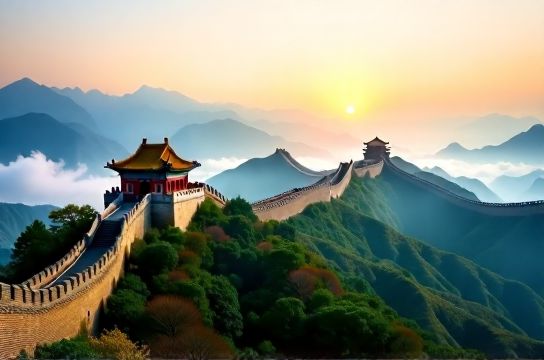
The Great Wall: More Than Just Bricks
You’ve seen it in photos, but standing atop the Great Wall is another story. Stretching over 13,000 miles, this marvel wasn’t built in a day — or even a century. Constructed across dynasties, its total length (including all branches) reaches 21,196 km according to archaeological surveys.
| Site | Year Inscribed | Type | Location |
|---|---|---|---|
| The Great Wall | 1987 | Cultural | Northern China |
| Forbidden City | 1987 | Cultural | Beijing |
| Mount Tai | 1987 | Mixed | Shandong |
| Yellow Mountains | 1990 | Mixed | Anhui |
| Chengdu Panda Sanctuaries | 2006 | Natural | Sichuan |
Forbidden City: Power Behind Red Walls
Sprawling across 1.8 million square feet, the Forbidden City housed 24 emperors over nearly 500 years. It’s not just big — it’s symbolic. With 9,999 rooms (a number just shy of divine 10,000), every beam, roof tile, and dragon carving speaks of imperial ambition. Today, it’s home to the Palace Museum, attracting over 17 million visitors annually, making it the most visited museum in the world.
Nature’s Masterpieces: From Pandas to Peaks
China’s natural heritage is equally jaw-dropping. Take the Jiuzhaigou Valley — a kaleidoscope of turquoise lakes and waterfalls tucked in Sichuan. Or the Karst landscapes of Guilin and Shilin, where limestone towers rise like ancient sentinels from the mist.
And who could forget the giant pandas? The Chengdu Research Base protects these bamboo-munching icons, contributing directly to their reclassification from “Endangered” to “Vulnerable” — a rare conservation win.
Hidden Gems You Shouldn’t Miss
Beyond the classics, lesser-known sites shine too. The Huangshan (Yellow Mountains) inspire traditional Chinese art with their pine-clad peaks and sea of clouds. Meanwhile, the ancient town of Lijiang blends Naxi culture with stunning mountain scenery.
Pro tip: Visit during shoulder seasons (April–May or September–October). You’ll dodge crowds and catch nature at its best.
Final Thoughts: Walk Through Time
UNESCO sites in China aren’t just checkmarks on a bucket list — they’re portals into dynasties, philosophies, and landscapes that shaped a civilization. Whether you're tracing the footsteps of emperors or hiking through fairy-tale mountains, one thing’s clear: in China, history doesn’t sleep. It soars.