
Uncover Chinese Cultural Experiences at UNESCO Sites China Today
- Date:
- Views:287
- Source:The Silk Road Echo
Think China’s only about skyscrapers and high-speed trains? Think again. Beyond the modern buzz lies a treasure chest of ancient wisdom, spiritual depth, and jaw-dropping heritage — all recognized by UNESCO. From misty mountain temples to silent desert fortresses, China's UNESCO World Heritage Sites offer more than just photo ops. They're gateways into 5,000 years of living culture.
Why UNESCO Sites in China Are Cultural Goldmines
China ranks second globally with 57 UNESCO World Heritage Sites — 39 cultural, 14 natural, and 4 mixed. These aren’t just relics; they’re active stages where tradition still breathes. Whether you're sipping tea with monks in Emei or tracing emperors’ footsteps in Xi’an, these places deliver raw, authentic experiences.
Top 5 Must-Visit Cultural Sites (And What Makes Them Magic)
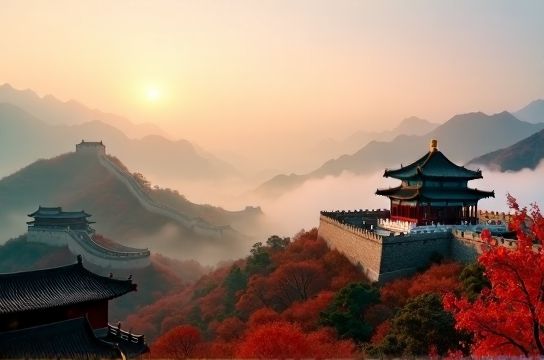
- The Great Wall (1987) – More than bricks and battlements, it’s a symbol of endurance. Walk the Jiankou section for wild, unrestored views, or Mutianyu for family-friendly vibes. Over 21,000 km long, only 8% is restored — the rest? Pure adventure.
- Forbidden City, Beijing (1987) – Home to 24 Ming and Qing emperors. This 720,000 m² palace complex isn’t just grand — it’s a lesson in feng shui, hierarchy, and imperial artistry. Pro tip: Visit at sunrise to beat crowds and catch golden light on yellow-glazed tiles.
- Temple of Heaven, Beijing (1998) – Where emperors prayed for good harvests. The circular Hall of Prayer for Good Harvests is architectural poetry. Locals still practice tai chi here at dawn — join them for a truly immersive moment.
- Mogao Caves, Dunhuang (1987) – Nestled near the Gobi Desert, these 492 caves house 45,000 sqm of Buddhist murals and thousands of manuscripts. A spiritual Silk Road stop that blends Indian, Persian, and Chinese art.
- Mount Emei & Leshan Giant Buddha (1996) – A sacred Buddhist mountain crowned with monasteries and home to the world’s tallest stone Buddha (71 meters!). Hike the forested trails or ride a donkey like a local pilgrim — yes, really.
Quick Stats: China’s UNESCO Cultural Powerhouses
| Site | Year Listed | Key Feature | Annual Visitors (Est.) |
|---|---|---|---|
| Great Wall | 1987 | World’s longest wall | 10 million+ |
| Forbidden City | 1987 | Largest ancient palace complex | 19 million |
| Mogao Caves | 1987 | Silk Road Buddhist art | 1.5 million |
| Temple of Heaven | 1998 | Imperial rituals & acoustics | 12 million |
Culture Isn’t Just Seen — It’s Felt
What sets China’s sites apart is their living energy. In Pingyao Ancient City, shopkeepers still use traditional scales. At the Classical Gardens of Suzhou, poets gather to recite verses under lotus ponds. These aren’t museums — they’re breathing communities.
And let’s talk food. Try yangrou paomo (lamb stew) near the Terracotta Warriors or sweet osmanthus cakes in Hangzhou’s West Lake gardens. Culture tastes delicious too.