
Beyond the Surface: Deep Cultural Travel in China's Hidden Villages
- Date:
- Views:347
- Source:The Silk Road Echo
Forget the crowded tourist traps and overhyped landmarks—real China lives in the quiet lanes of its hidden villages. If you're after something deeper than a selfie with the Great Wall, it’s time to go beyond the surface and dive into the soul of rural China.
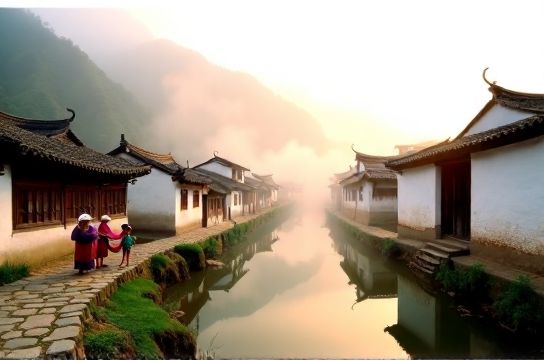
Imagine waking up to mist curling around rice terraces, stepping onto stone paths worn smooth by centuries of footsteps, and sharing a cup of home-brewed tea with a local elder who still speaks in proverbs. This isn’t just travel—it’s connection. And that’s exactly what deep cultural travel is all about.
Take Hongcun in Anhui, often called 'the village in a Chinese painting.' Sure, it’s on postcards, but venture past the main square and you’ll find families tending ancestral gardens, kids laughing as they chase ducks through courtyards, and artisans carving intricate designs into wood like their grandparents taught them. It’s not frozen in time—it’s living, breathing tradition.
Then there’s Xijiang, home to the largest Miao community in China. Here, festivals aren’t performances for tourists—they’re sacred events where silver headdresses gleam under torchlight and drum beats echo through mountain valleys. Join a homestay, learn to make glutinous rice cakes from scratch, or try your hand at batik. These aren’t activities; they’re invitations into someone’s world.
But deep travel isn’t just about what you do—it’s how you show up. It means slowing down, listening more than speaking, and respecting local customs (like removing shoes before entering a home or never pointing at sacred altars). It’s understanding that you’re a guest, not a consumer.
And let’s be real—this kind of travel changes you. You start noticing small things: the way elders smile when you attempt their dialect, how food tastes richer when shared around a fire, or how silence in a mountain village feels sacred, not awkward.
The best part? These places are still under the radar. No influencer hordes, no chain cafes. Just authenticity, preserved not for tourism, but because it’s real life.
So skip the bullet trains this time. Take a bumpy bus ride, stay in a family-run guesthouse, eat whatever’s on the table, and let the rhythm of village life reset your soul. Because true adventure isn’t found in guidebooks—it’s discovered in the quiet moments between strangers who start to feel like kin.
China’s hidden villages aren’t just destinations. They’re reminders of what travel can be when we go deeper.