
Discover Authentic Chinese Cultural Experiences
- Date:
- Views:258
- Source:The Silk Road Echo
Want to skip the tourist traps and dive into the real deal? China isn’t just about the Great Wall and dim sum (though, yes, those are epic). It’s a living, breathing tapestry of traditions, rituals, and regional flavors that have been perfected over thousands of years. If you're craving authentic Chinese cultural experiences, here’s your insider guide to going beyond the brochure.
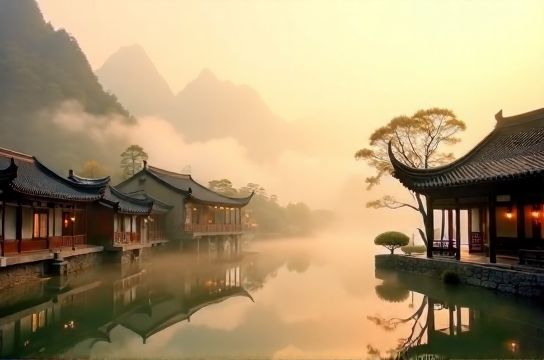
Why 'Authentic' Matters
Let’s be real—anyone can book a ticket to Beijing and snap a pic at Tiananmen Square. But true cultural immersion? That’s golden. Travelers today crave connection, not just checklists. According to UNWTO 2023 data, over 68% of international visitors now prioritize 'local experiences' over iconic landmarks. So let’s get you where the culture breathes: in alleyways, teahouses, and village festivals.
Top 5 Must-Try Cultural Experiences
- Tea Ceremonies in Hangzhou: Forget your basic green tea bag. In Hangzhou’s Longjing village, tea masters perform ceremonies rooted in Daoist philosophy. Sip hand-picked dragon well tea while learning the art of mindfulness—one steep at a time.
- Lijiang’s纳西(Naxi) Music Nights: This ancient orchestra plays melodies unchanged for 1,000 years. Instruments like the bawu flute and pipa lute echo through cobbled streets under starlight. Pro tip: Visit during the Dongba Festival (late March).
- Silk Crafting in Suzhou: Known as the 'Venice of the East,' Suzhou is also silk central. Tour a 19th-century workshop, watch silkworms spin cocoons, and even try weaving on a traditional loom.
- Calligraphy Workshops in Xi’an: Write like an emperor. Join a class using ink sticks and brushes older than your hometown. Bonus: You’ll walk away with a personalized scroll—perfect for bragging rights.
- Yak Butter Tea in Tibetan Villages: Head to Yunnan or Qinghai for this salty, creamy staple. Locals say it fuels both body and soul at high altitudes. Not always tasty on first sip—but definitely memorable.
Cultural Hotspots Compared
| Destination | Experience | Avg. Cost (USD) | Best Time to Visit |
|---|---|---|---|
| Hangzhou | Tea Ceremony | $25 | Spring (Mar–May) |
| Lijiang | Naxi Music | $15 | March & September |
| Suzhou | Silk Workshop | $30 | Apr–Jun, Sep–Oct |
| Xi’an | Calligraphy Class | $20 | Autumn (Sep–Nov) |
| Shangri-La (Yunnan) | Tibetan Homestay + Tea | $40 (incl. stay) | May–Oct |
Pro Tips for Deeper Connection
- Learn 3 Key Phrases: A simple 你好 (nǐ hǎo) or 谢谢 (xièxie) opens doors—and hearts.
- Travel Off-Peak: Fewer crowds = more genuine interactions. Try visiting Lijiang in early April, right after cherry blossoms peak.
- Stay Local: Book homestays via platforms like Xiaozhu or Airbnb. Many hosts offer cooking classes or temple visits.
China’s soul isn’t in its skyscrapers—it’s in the quiet moments: an elder playing erhu at dawn, a grandmother rolling dumplings by hand, the scent of incense curling through a courtyard. These are the stories worth traveling for.
So pack light, stay curious, and let China surprise you—one authentic moment at a time.