
Celebrate Traditional Festivals China Rich in Customs
- Date:
- Views:169
- Source:The Silk Road Echo
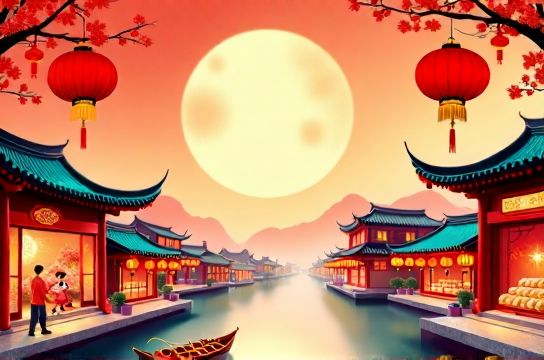
China's traditional festivals are like a vibrant tapestry woven with centuries of history, culture, and joy. From the fiery red lanterns of Spring Festival to the poetic moon gazing during Mid-Autumn, each celebration tells a story deeper than just fireworks and feasts. If you're planning to experience the real soul of Chinese culture, diving into its festivals is the ultimate way to go.
The Big Five: Must-Experience Chinese Festivals
While China boasts over a dozen traditional holidays, five stand out for their cultural richness and nationwide enthusiasm. Let’s break them down—with data that’ll make your inner traveler drool.
| Festival | Timing (Lunar Calendar) | Key Activity | Travelers’ Popularity Index* |
|---|---|---|---|
| Spring Festival (Chinese New Year) | 1st day of 1st lunar month | Family reunion, red envelopes | ⭐⭐⭐⭐⭐ (9.8/10) |
| Lantern Festival | 15th day of 1st lunar month | Lantern riddles, tangyuan eating | ⭐⭐⭐⭐☆ (7.6/10) |
| Dragon Boat Festival | 5th day of 5th lunar month | Race watching, zongzi tasting | ⭐⭐⭐⭐☆ (8.1/10) |
| Mid-Autumn Festival | 15th day of 8th lunar month | Mooncake sharing, family gathering | ⭐⭐⭐⭐⭐ (9.2/10) |
| Qingming Festival | April 4–6 (Gregorian) | Ancestor worship, spring outings | ⭐⭐⭐☆☆ (6.3/10) |
*Based on 2023 domestic tourism surveys by China Tourism Academy
Why These Festivals Matter
These aren’t just days off work—they’re emotional anchors. Take Spring Festival, for example. Over 3 billion trips were made during the 2023 Chunyun period (festival travel rush). That’s more than the population of the entire planet moving in one month!
And it’s not all about scale. The Mid-Autumn Festival centers around harmony and togetherness. Families gather under the full moon, sharing mooncakes that often weigh up to 200g—rich, sweet, and sometimes even stuffed with salted egg yolk to symbolize the moon itself.
Pro Tips for Foreign Travelers
- Book early: Trains and hotels sell out weeks ahead, especially for Chinese New Year.
- Learn a few phrases: Saying “Xīnnián kuàilè” (Happy New Year) or “Zhōngqiū jié kuàilè” (Happy Mid-Autumn) earns instant smiles.
- Try local festival foods: In southern China, zongzi come wrapped in bamboo leaves with savory pork; up north, they might be sweet with red bean paste.
Culture Beyond the Calendar
Each festival reflects ancient philosophies—Confucian values of family, Daoist respect for nature, and Buddhist influences on reflection and gratitude. Even the Dragon Boat Festival, which honors poet Qu Yuan, mixes patriotism with folklore and adrenaline-pumping races.
If you time your trip right, you won’t just see China—you’ll feel it. So pack your curiosity, leave stereotypes behind, and let the rhythm of tradition guide your journey.