
UNESCO Sites China That Showcase Imperial Grandeur
- Date:
- Views:250
- Source:The Silk Road Echo
If you're a history buff with a taste for imperial splendor, China's UNESCO World Heritage Sites are like stepping into a real-life Game of Thrones—minus the dragons, but packed with just as much drama, power, and jaw-dropping architecture. From the Forbidden City’s silent halls to the Great Wall snaking across mountains, these sites aren’t just tourist spots—they’re time machines.
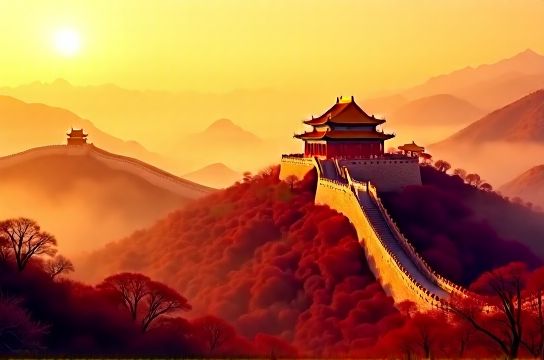
China boasts 57 UNESCO World Heritage Sites, ranking second globally. Among them, several spotlight the country’s imperial legacy—proof that emperors didn’t just rule; they built legacies in stone, wood, and sheer ambition.
The Heavy Hitters: Must-See Imperial UNESCO Sites
1. The Forbidden City (Beijing)
Once home to 24 emperors from the Ming and Qing dynasties, this 180-acre palace complex is the ultimate symbol of imperial power. Built in the early 1400s, it features 980 surviving buildings and over 8,700 rooms. Fun fact? No nails were used in its original wooden structure—just interlocking beams held together by craftsmanship older than calculus.
2. The Great Wall
Stretching over 13,000 miles, this beast of a fortification wasn’t built in a day—or even a century. Constructed across multiple dynasties, its most visited sections (like Badaling and Mutianyu) near Beijing showcase Ming-era brilliance. Despite the myth, you can't see it from space—but you can feel its weight in history.
3. Summer Palace (Beijing)
A royal retreat blending nature and design, the Summer Palace centers around Kunming Lake and Longevity Hill. Emperors came here to escape court chaos—and maybe plot a few palace coups. Its 400 acres of gardens, pavilions, and corridors make it the ultimate imperial chill zone.
4. Temple of Heaven (Beijing)
This isn’t just a temple—it’s where emperors communed with heaven itself. Every winter solstice, the Emperor of China performed rituals here to ensure good harvests. The acoustics? Unreal. A whisper against the Circular Mound Altar echoes three times—because even sound bowed to the emperor.
5. Mountain Resort & Temples (Chengde)
Fleeing Beijing’s heat, Qing emperors built this sprawling 200-building resort in the 18th century. It blends Han, Tibetan, and Mongolian styles—diplomacy through architecture. Plus, it’s surrounded by temples mimicking those in Tibet and Mongolia, showing off imperial reach without firing a shot.
Quick Stats: Imperial UNESCO Sites at a Glance
| Site | Year Listed | Area (acres) | Historical Dynasty |
|---|---|---|---|
| Forbidden City | 1987 | 180 | Ming & Qing |
| Great Wall | 1987 | N/A (linear) | Multiple |
| Summer Palace | 1998 | 400 | Qing |
| Temple of Heaven | 1998 | 600 | Ming |
| Chengde Resort | 1994 | 8,000 | Qing |
These sites aren’t frozen in time—they’re living testaments to China’s imperial vision. Whether you're wandering marble courtyards or tracing ancient battlements, you’re not just visiting history. You’re walking through the blueprint of an empire.