
Uncover Chinese Cultural Experiences Beyond Tourism
- Date:
- Views:255
- Source:The Silk Road Echo
Think China is just about the Great Wall and dumplings? Think again. Beyond the postcard-perfect tourist spots lies a living, breathing cultural tapestry that’s waiting to be explored — if you know where to look. From ancient tea ceremonies in misty Fujian mountains to midnight shadow puppet shows in rural Shaanxi, real Chinese culture thrives in moments most travelers never see.
Let’s dive into five authentic experiences that go way beyond the guidebooks — and why they’re worth every jet-lagged minute.
1. Sip History: Participate in a Traditional Gongfu Tea Ceremony
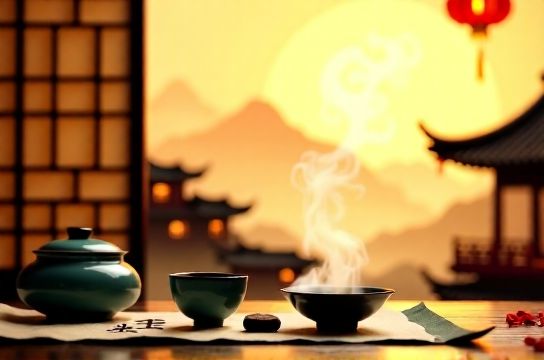
In southern China, especially Fujian and Guangdong, tea isn’t a drink — it’s a ritual. The Gongfu Cha (功夫茶) ceremony emphasizes precision, patience, and presence. Using tiny Yixing clay pots and oolong leaves that can cost over $500 per kilo, hosts pour water at exact temperatures (typically 90–96°C) in rapid, graceful movements.
Here’s what makes a true Gongfu session stand out:
| Aspect | Detail |
|---|---|
| Brew Time | 10–30 seconds per infusion |
| Water Temp | 90–96°C (194–205°F) |
| Tea Type | Oolong, Pu-erh, Tieguanyin |
| Sessions | Up to 10 infusions from one leaf batch |
| Cultural Roots | Min Nan tradition, dating back to Ming Dynasty |
Pro tip: Skip the tourist teahouses in big cities. Head to Chaozhou or Anxi for intimate sessions hosted by local families.
2. Learn Calligraphy with a Master Artist in Suzhou
Suzhou’s classical gardens aren’t just pretty — they’re open-air galleries of poetic calligraphy. Join a weekend workshop with a certified calligrapher, and you’ll learn how each brushstroke reflects not just skill, but mood and spirit.
Beginners start with 楷书 (Kaishu), the standard script. But after a few hours, many students attempt 行书 (Xingshu), the semi-cursive style that flows like water. One 3-hour class costs around ¥200 ($28), and includes your own brush, ink, and rice paper set.
3. Stay Overnight in a Hakka Earth Building
In Fujian’s countryside, UNESCO-listed Tulou structures rise like ancient fortresses. These massive circular homes housed entire clans for centuries. Today, some have been converted into guesthouses — no Wi-Fi, but all the soul.
Staying here means sharing meals with locals, hearing folktales by firelight, and waking up to rooster calls and mountain fog. A night costs as little as ¥180 ($25), including dinner and breakfast.
4. Join a Local Festival: Not Just Dragon Boats
While dragon boat races draw crowds, lesser-known festivals offer deeper insight. Try the Miao Sister’s Meal Festival in Guizhou. During this spring event, young women wear silver headdresses (some weighing over 10 lbs!) and toss colored rice balls to potential suitors.
It’s playful, poetic, and deeply rooted in courtship tradition. Attendance has grown from local villagers to around 30,000 visitors annually — yet it remains heartfelt, not commercialized.
5. Shadow Puppetry in Xi’an — After Dark Magic
In a quiet alley behind Muslim Quarter, elderly artists still perform Qinqiang-style shadow puppet shows. Using donkey-skin figures lit by oil lamps, they bring legends of emperors and fox spirits to life. Tickets? Just ¥30 ($4).
These performances are fading — fewer than 50 master puppeteers remain nationwide. Catch one while you can.
China’s soul isn’t in its skyscrapers or souvenir shops. It’s in the hush before a tea pour, the flicker of a puppet on a screen, the rhythm of a brush on paper. Step off the beaten path, and let the real story unfold.