
Uncover Chinese Cultural Experiences at UNESCO Heritage Sites
- Date:
- Views:341
- Source:The Silk Road Echo
China isn’t just about skyscrapers and high-speed trains—dig a little deeper, and you’ll uncover a country steeped in ancient wisdom, breathtaking landscapes, and living traditions. With over 50 UNESCO World Heritage Sites, China offers some of the most immersive cultural experiences on Earth. From the echoing steps along the Great Wall to the silent serenity of the Classical Gardens of Suzhou, these sites aren’t just tourist stops—they’re gateways into centuries of philosophy, art, and resilience.
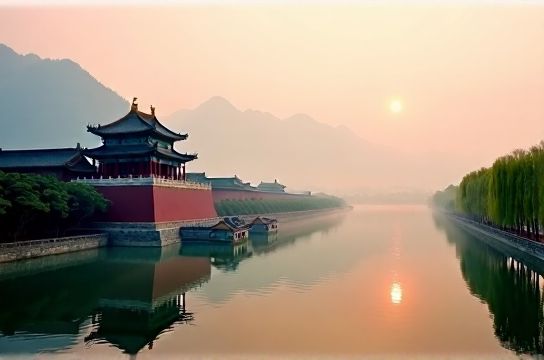
Why UNESCO Sites in China Are Must-Visit
UNESCO recognition isn’t just a fancy title—it’s a promise of authenticity, preservation, and global significance. In China, these sites blend natural beauty with human ingenuity. Whether you're a history buff, a photography lover, or simply chasing that soul-stirring travel moment, here are three top-tier destinations where culture comes alive.
1. The Forbidden City, Beijing – Power, Politics & Palace Drama
Sprawling across 180 acres in the heart of Beijing, the Forbidden City served as the imperial palace for 24 emperors during the Ming and Qing dynasties. With 980 surviving buildings, it’s the largest wooden structure complex in the world.
Beyond its golden roofs and crimson walls lies a story of power struggles, astrology, and Confucian order. Every staircase, courtyard, and artifact whispers secrets of China’s imperial past.
2. Leshan Giant Buddha, Sichuan – Carved in Stone, Rooted in Faith
Rising 71 meters tall along the confluence of three rivers, this colossal Buddha statue was carved directly into a cliff face between 713 and 803 AD. Built by a monk named Haitong to calm turbulent waters, it’s a masterpiece of Tang Dynasty devotion and engineering.
Climb down 900 stone steps to stand eye-to-sandal with this serene figure. Locals say touching the Buddha brings blessings—and honestly, standing beneath it feels like time itself slows down.
3. West Lake, Hangzhou – Poetry in Motion
If romance had a landscape, it’d look like West Lake. Inscribed as a UNESCO site in 2011, this 6.5-square-kilometer lake has inspired poets, painters, and emperors for over a thousand years. Think willow trees draping water like silk, pagodas glowing at dusk, and lotus blossoms floating like pink stars.
Take a boat ride at sunset, walk the Su Causeway, or sip Longjing tea in a hillside pavilion. This isn’t just scenery—it’s a living piece of Chinese aesthetic philosophy.
Quick Guide: Top 5 Cultural UNESCO Sites in China
| Site | Location | Year Listed | Key Feature |
|---|---|---|---|
| Forbidden City | Beijing | 1987 | Largest imperial palace complex |
| Great Wall | Northern China | 1987 | World’s longest wall (21,196 km) |
| Leshan Giant Buddha | Sichuan | 1996 | Tallest stone Buddha in the world |
| West Lake | Hangzhou | 2011 | Inspiration for classical Chinese art |
| Classical Gardens of Suzhou | Jiangsu | 1997 | Pinnacle of Chinese garden design |
Pro tip: Visit in shoulder seasons (April–May or September–October) to avoid crowds and catch perfect weather.
The Culture Beyond the Camera
These sites aren’t just for snapping selfies (though they’re pretty photogenic). They invite you to slow down—to listen to a Peking opera echo in an old courtyard, taste mooncakes during Mid-Autumn Festival near West Lake, or meditate in a temple tucked behind bamboo groves.
China’s UNESCO sites offer more than history—they offer harmony. Harmony between humans and nature, past and present, silence and sound.
So next time you think of China, don’t just think ‘big.’ Think deep. Think timeless.