
Journey Through Ancient Towns China Rich in Heritage and Art
- Date:
- Views:167
- Source:The Silk Road Echo
Ever dreamed of stepping into a watercolor painting? Welcome to the ancient towns of China—where stone bridges arch over canals, wooden eaves whisper tales of dynasties past, and every cobblestone has a story. These hidden gems blend history, artistry, and soul-soothing charm like nowhere else on Earth.
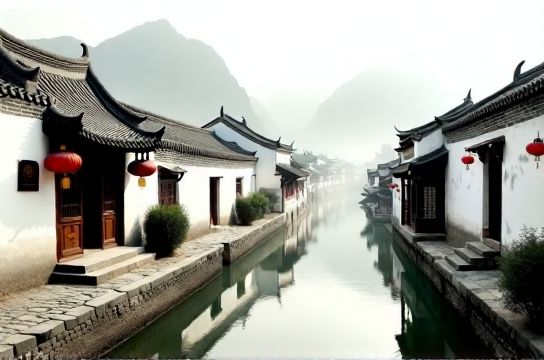
From the misty canals of Jiangnan to the rugged charm of Yunnan’s mountain towns, China’s ancient settlements offer more than just Insta-worthy views—they’re living museums of culture, craftsmanship, and resilience.
Why Explore China’s Ancient Towns?
Beyond the skyscrapers and bullet trains lies a quieter, poetic side of China. These towns have preserved centuries-old architecture, traditional crafts, and local lifestyles that modernization hasn’t erased—at least not yet.
Whether you're a history buff, a photography lover, or just craving authentic travel vibes, these destinations deliver depth with every step.
Top 5 Must-Visit Ancient Towns in China
| Town | Province | Best For | UNESCO Listed? | Avg. Visitors (Yearly) |
|---|---|---|---|---|
| Zhouzhuang | Jiangsu | Canal views, boat rides | No | 3.2 million |
| Lijiang | Yunnan | Naxi culture, mountain scenery | Yes (1997) | 4.8 million |
| Fenghuang | Hunan | Stilt houses, Miao heritage | No | 2.6 million |
| Wuzhen | Zhejiang | Cultural festivals, night lights | No | 2.9 million |
| Anshun Tunpu | Guizhou | Ming Dynasty traditions | No | 800,000 |
While Lijiang grabs the UNESCO spotlight, don’t sleep on lesser-known spots like Anshun Tunpu—home to descendants of Ming-era soldiers who still perform *Taoist ritual opera* in full costume. Talk about time travel!
Art & Craft: The Soul of These Towns
These aren’t just pretty backdrops—they’re creative hubs. In Wuzhen, you’ll find silk workshops where artisans spin threads by hand using methods unchanged for 1,000 years. Fenghuang dazzles with silver jewelry made by Miao craftsmen, each piece stamped with symbolic patterns passed down through generations.
In Lijiang, listen to Naxi Dongjing music—an ancient fusion of Taoist chants and Tang Dynasty melodies. It’s so rare, fewer than 10 masters remain.
Travel Tips for an Authentic Experience
- Go off-season: Visit between October–March to avoid crowds and catch towns draped in soft fog or autumn gold.
- Stay overnight: Day-trippers leave by 6 PM. Book a courtyard guesthouse to experience the magic after dark.
- Eat local: Try Zhouzhuang’s whitebait dumplings or Lijiang’s pipa pork—named after the musical instrument it resembles.
The real beauty? These towns aren’t frozen in time—they’re evolving gently, blending tradition with thoughtful tourism.
Final Thoughts
China’s ancient towns are more than relics—they’re breathing, artistic communities where heritage isn’t performed but lived. Whether drifting down a moonlit canal or sipping tea with a local artisan, you’re not just visiting history—you’re becoming part of it.
So pack your curiosity (and comfy shoes). The old roads are calling.