
Uncover Chinese Cultural Experiences at UNESCO Sites China
- Date:
- Views:316
- Source:The Silk Road Echo
China isn’t just about skyscrapers and high-speed trains — it’s a living museum of ancient wisdom, spiritual depth, and breathtaking artistry. With 57 UNESCO World Heritage Sites (as of 2023), China ranks second globally, offering travelers not just photo ops, but soul-stirring cultural journeys. From the echoing steps on the Great Wall to the silent prayers in the Mogao Caves, these sites aren’t frozen in time — they’re still breathing with tradition.
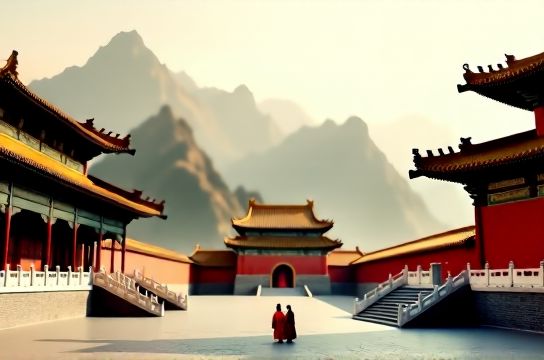
Why UNESCO Sites in China Are Cultural Goldmines
What sets China’s UNESCO spots apart? It’s the seamless blend of history, philosophy, and everyday life. Confucian ideals echo through temple courtyards. Taoist harmony shapes mountain monasteries. And Buddhist murals whisper stories across centuries. These aren’t just relics — they’re active cultural spaces where rituals continue, artisans craft by hand, and locals honor age-old customs.
Top 5 Must-Visit Cultural Sites & What They Teach You
- The Great Wall (1987) – More than bricks and battlements, it’s a symbol of perseverance. Walk the Mutianyu section at dawn, and you’ll feel the weight of dynasties past. Over 21,000 km long, it’s the ultimate lesson in human ambition.
- Forbidden City, Beijing (1987) – Once home to 24 emperors, this palace complex blends feng shui, symmetry, and imperial power. Pro tip: Visit during autumn when golden ginkgo leaves frame red walls.
- Temple of Confucius, Qufu (1994) – The philosopher’s hometown pulses with ritual. Attend the morning ceremony where scholars chant classical texts — a rare live connection to Eastern ethics.
- Mogao Caves, Dunhuang (1987) – Over 490 decorated caves with Buddhist art spanning 1,000 years. The colors? Still vibrant thanks to mineral pigments and dry desert air.
- Classical Gardens of Suzhou (1997, 2000) – These aren’t just pretty ponds. Every rock, bridge, and window frame reflects Daoist balance. Try calligraphy workshops nearby to dive deeper.
Quick Stats: China’s UNESCO Cultural Powerhouse
| Total UNESCO Sites | Cultural | Natural | Mixed |
|---|---|---|---|
| 57 | 39 | 14 | 4 |
That means nearly 70% of China’s UNESCO sites are cultural — a testament to its uninterrupted civilization.
Travel Tips for a Meaningful Experience
- Go beyond sightseeing: Join a tea ceremony near Hangzhou’s West Lake or learn paper-cutting in Yan’an.
- Timing matters: Avoid Golden Week (Oct 1–7). Instead, visit in May or September for mild weather and thinner crowds.
- Respect local customs: Cover shoulders at temples. Don’t touch cave murals. Silence your phone during rituals.
These sites aren’t just for tourists — they’re sacred spaces. Treat them with reverence, and they’ll reward you with moments of genuine connection.
Final Thought: Travel Deeper, Not Just Farther
Visiting UNESCO sites in China isn’t about checking boxes. It’s about slowing down, absorbing stories etched in stone and silk, and seeing how ancient values still shape modern life. Whether you’re tracing calligraphy brushstrokes or meditating in a mountain monastery, you’re not just traveling — you’re transforming.
So pack curiosity, leave rush behind, and let China’s heritage speak to you — one timeless site at a time.