
Dance with Tribes During Traditional Festivals China Events
- Date:
- Views:228
- Source:The Silk Road Echo
Ever dreamed of swapping your city routine for a burst of color, rhythm, and raw cultural energy? Imagine dancing barefoot in a mountain village, surrounded by locals in dazzling handmade costumes, drums pounding under a starry sky. Welcome to China’s tribal festivals — where ancient traditions come alive, and travelers don’t just watch, they join.
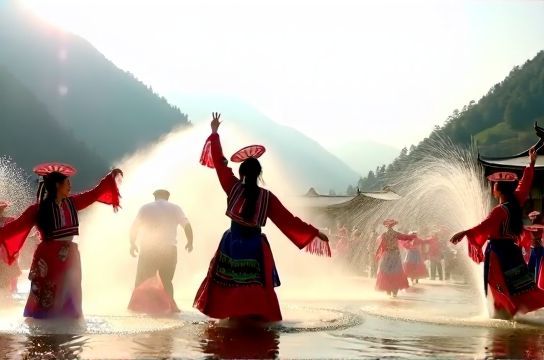
China isn’t just skyscrapers and high-speed trains. Hidden in its lush southern provinces — Yunnan, Guizhou, Guangxi — over 50 officially recognized ethnic minorities keep their heritage blazing through vibrant festivals. These aren’t staged shows; they’re real-life celebrations rooted in harvests, ancestors, and spiritual beliefs. And yes, visitors are often invited to dance, drum, and feast alongside the tribes.
The Must-Experience Tribal Festivals
Let’s spotlight three unforgettable events where dancing isn’t optional — it’s essential.
- Miao Sister’s Festival (Guizhou): Held in April, this romantic celebration lets young Miao women invite suitors through song and dance. Expect silver headdresses, bamboo flutes, and spontaneous line dances.
- Dai Water Splashing Festival (Yunnan): Think Thailand’s Songkran but deeper roots. Lasting 3–7 days in mid-April, it marks the Dai New Year. Streets turn into splash zones, but behind the fun lies Buddhist rituals and dragon boat races.
- Bulang Pomegranate Flower Festival (Yunnan): A lesser-known gem. Held in May, it honors the Bulang people’s connection to tea and nature. Drum circles, flower picking, and all-night dances under torchlight make this one magical.
Festival Snapshot: Key Details at a Glance
| Festival | Location | Best Time to Go | Duration | Unique Feature |
|---|---|---|---|---|
| Miao Sister’s Festival | Kaili, Guizhou | April | 3–5 days | Silver jewelry parade & courtship songs |
| Dai Water Splashing Festival | Xishuangbanna, Yunnan | Mid-April | 3–7 days | Mass water fights & temple offerings |
| Bulang Pomegranate Festival | Shuangjiang, Yunnan | May | 2–3 days | Tea mountain dances & fire rituals |
Pro tip: Book homestays in advance. Villages like Xijiang (Miao) or Jinghong (Dai) fill up fast. Locals often host guests, serving sticky rice, wild herbs, and homemade rice wine — sometimes while teaching you festival dances!
Cultural Respect Meets Real Connection
These festivals thrive on authenticity. To truly dance with the tribe, follow local etiquette:
- Ask before photographing people.
- Wear modest clothing; avoid shorts in sacred areas.
- Join group dances by following the back row — no fancy moves needed.
- Learn a few phrases in the local dialect. Even “Hello” in Miao (“Ni ho”) earns smiles.
And remember: these events aren’t tourist traps. They’re living culture. When an elder offers you a cup of fermented corn wine during the Miao festival, drinking it (if you can!) is a sign of respect.
Why This Beats Your Average Vacation
In a world of filtered Instagram moments, tribal festivals deliver something rare: unscripted human connection. You’ll leave not just with photos, but stories — like that time you danced until dawn with the Bulang, or got drenched laughing during the Water Festival.
So skip the theme parks. Trade your phone for a drum. Let China’s tribal heartbeat move you — literally.