
Explore Longmen Grottoes Among Top UNESCO Sites China
- Date:
- Views:248
- Source:The Silk Road Echo
Nestled along the banks of the Yi River in Luoyang, Henan Province, the Longmen Grottoes stand as one of China’s most breathtaking cultural treasures. Carved into limestone cliffs over centuries, these ancient Buddhist caves are more than just stone—they’re a spiritual journey frozen in time. As a UNESCO World Heritage Site since 2000, the grottoes attract history lovers, art enthusiasts, and curious travelers from around the globe.
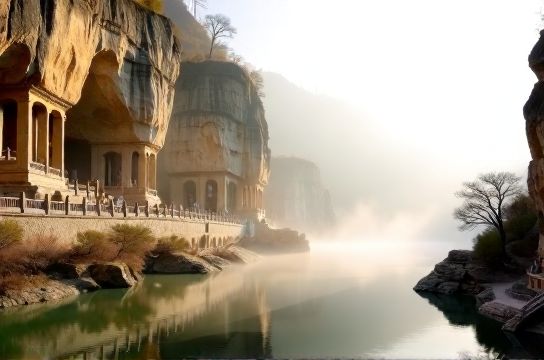
So what makes Longmen so special? Let’s dive deep into its history, artistry, and visitor insights—plus some real numbers that’ll blow your mind.
A Legacy in Stone: The History Behind Longmen
Construction began in 493 AD during the Northern Wei Dynasty and continued for over 400 years, peaking under the Tang Dynasty. Over 100,000 statues and 2,800 caves and niches were carved by devoted artisans and monks, reflecting evolving Buddhist beliefs and imperial patronage.
The site was not just religious—it was political. Emperors funded major carvings to show piety and power. One iconic example? The Fengxian Temple, commissioned by Emperor Gaozong and Empress Wu Zetian. Its central Buddha, Vairocana, stands at a majestic 17.14 meters tall—a masterpiece of Tang-era sculpture.
By the Numbers: Longmen at a Glance
Let’s break down the scale of this wonder with a quick snapshot:
| Category | Detail |
|---|---|
| UNESCO Inscription | 2000 |
| Total Caves & Niches | ~2,800 |
| Statues | Over 100,000 |
| Inscriptions | Over 2,800 |
| Main Periods | Northern Wei & Tang Dynasty |
| Site Length | 1 km (East & West Hills) |
Yep, you read that right—over 2,800 inscriptions. These aren’t just doodles; they’re historical records, poems, and donor names etched in stone, offering rare glimpses into ancient Chinese society.
Must-See Highlights
- Vairocana Buddha (Fengxian Temple): This serene giant radiates calm. Legend says Empress Wu Zetian funded it using her cosmetics budget—now that’s divine vanity!
- Wanfo Cave (Cave of Ten Thousand Buddhas): True to its name, walls shimmer with tiny Buddha figures, each no taller than your thumb.
- Binyang Caves: Commissioned by a grieving emperor for his parents, these blend Indian and Chinese styles—perfect for art nerds.
Travel Tips Like a Pro
Planning a visit? Here’s how to make the most of it:
- Best Time to Visit: Spring (April–May) or Autumn (September–October). Summer gets hot and crowded; winter’s chilly but peaceful.
- Getting There: Luoyang is well-connected. Take a high-speed train from Beijing (4 hrs) or Xi’an (1.5 hrs). From downtown, hop on bus #81 to the entrance.
- Entry Fee: Around 90 RMB (~$13 USD) in peak season. Audio guides available for rent (30 RMB).
- Pro Tip: Arrive early! The site opens at 8 AM, and morning light enhances the carvings’ details.
Why Longmen Matters Today
Beyond beauty, Longmen tells a story of cultural fusion. You’ll see Indian Buddhist motifs slowly transform into distinctly Chinese forms—flowing robes, gentle smiles, imperial grandeur. It’s where religion, art, and politics carved a legacy that still speaks today.
And while tourism brings attention, preservation remains critical. Pollution and weathering threaten the soft limestone. UNESCO and Chinese authorities are actively monitoring erosion and limiting visitor impact—so tread lightly and respect barriers.
In a world of fleeting trends, Longmen is timeless. Whether you’re a history buff, a photography lover, or just chasing awe—this place delivers. Don’t just scroll past it. Go. See. Feel.