
Follow the Great Wall to UNESCO Sites China History
- Date:
- Views:204
- Source:The Silk Road Echo
Ever dreamed of walking ancient stones that have stood guard for centuries? Let’s hit the trail from the Great Wall of China straight to other jaw-dropping UNESCO World Heritage Sites that tell the epic story of Chinese civilization. This isn’t just a trip—it’s a time machine.
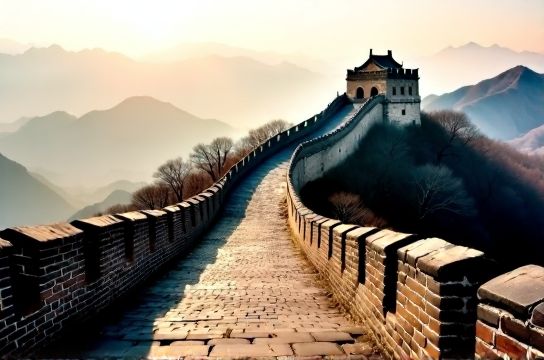
The Great Wall, stretching over 21,000 kilometers, is more than bricks and mortar. Built over 2,000 years ago and expanded during the Ming Dynasty, it’s a symbol of endurance. But guess what? It’s just the beginning. China boasts 57 UNESCO sites—the third most in the world—and many are deeply tied to the same dynasties, wars, and philosophies that shaped the Wall.
From Watchtowers to Wonders: A Cultural Journey
Start at Badaling or hike the wilder Jiankou section. Once you’ve felt the wind whisper secrets from ancient sentries, head south to Xian’s Terracotta Army. Built around 210 BCE, this underground empire guards Emperor Qin Shi Huang—with over 8,000 life-sized soldiers, each with unique facial features. Talk about commitment!
Next stop: Forbidden City, Beijing. Sitting just a few hours from the Wall, this imperial palace housed 24 emperors across nearly 500 years. With 980 surviving buildings and a whopping 17 million annual visitors, it’s not just grand—it’s legendary.
UNESCO Hotspots Linked to the Great Wall Era
Want real depth? Check out these key sites rooted in the same historical fabric:
| Site | Year Inscribed | Distance from Great Wall (approx.) | Why It Matters |
|---|---|---|---|
| Mount Taishan | 1987 | 300 km | Sacred mountain used for imperial ceremonies since 193 BCE |
| Temple of Confucius, Qufu | 1994 | 500 km | Heart of Confucian thought—philosophy that influenced Chinese governance |
| Yungang Grottoes | 2001 | 400 km | Buddhist cave art from 5th century, showing cultural fusion |
| Summer Palace | 1998 | 60 km | Ming & Qing dynasty retreat blending nature and design |
These aren’t random checkmarks on a bucket list. They’re chapters in one massive story—one where defense, spirituality, and power all intertwine.
Tips for the Modern Explorer
- Best Time to Go: Spring (April–May) or Autumn (September–October). Avoid summer crowds and winter chills.
- Travel Smart: High-speed trains connect Beijing to Xian (4.5 hours) and Luoyang (gateway to Longmen Grottoes) in under 3 hours.
- Pro Tip: Buy combo tickets for Great Wall + Mutianyu cable car to skip lines and save energy for deeper exploration.
And don’t forget your camera. Whether you're capturing sunrise over Jinshanling or the serene smile of a stone Buddha at Longmen, these moments define travel with soul.
Final Thoughts: Walk the Wall, Feel the History
The Great Wall isn’t just a wall—it’s a gateway. Step beyond its battlements and discover a China where emperors, monks, and warriors shaped a legacy now preserved by UNESCO. From military might to spiritual mastery, this journey reveals how history isn’t just written—it’s carved in stone, painted in caves, and echoed in palaces.
So lace up your boots, pack curiosity, and let China’s past pull you in. After all, the best stories aren’t read—they’re walked.